Hidden in Plain Sight

Bruce Powell • July 13, 2026

Hidden in Plain Sight


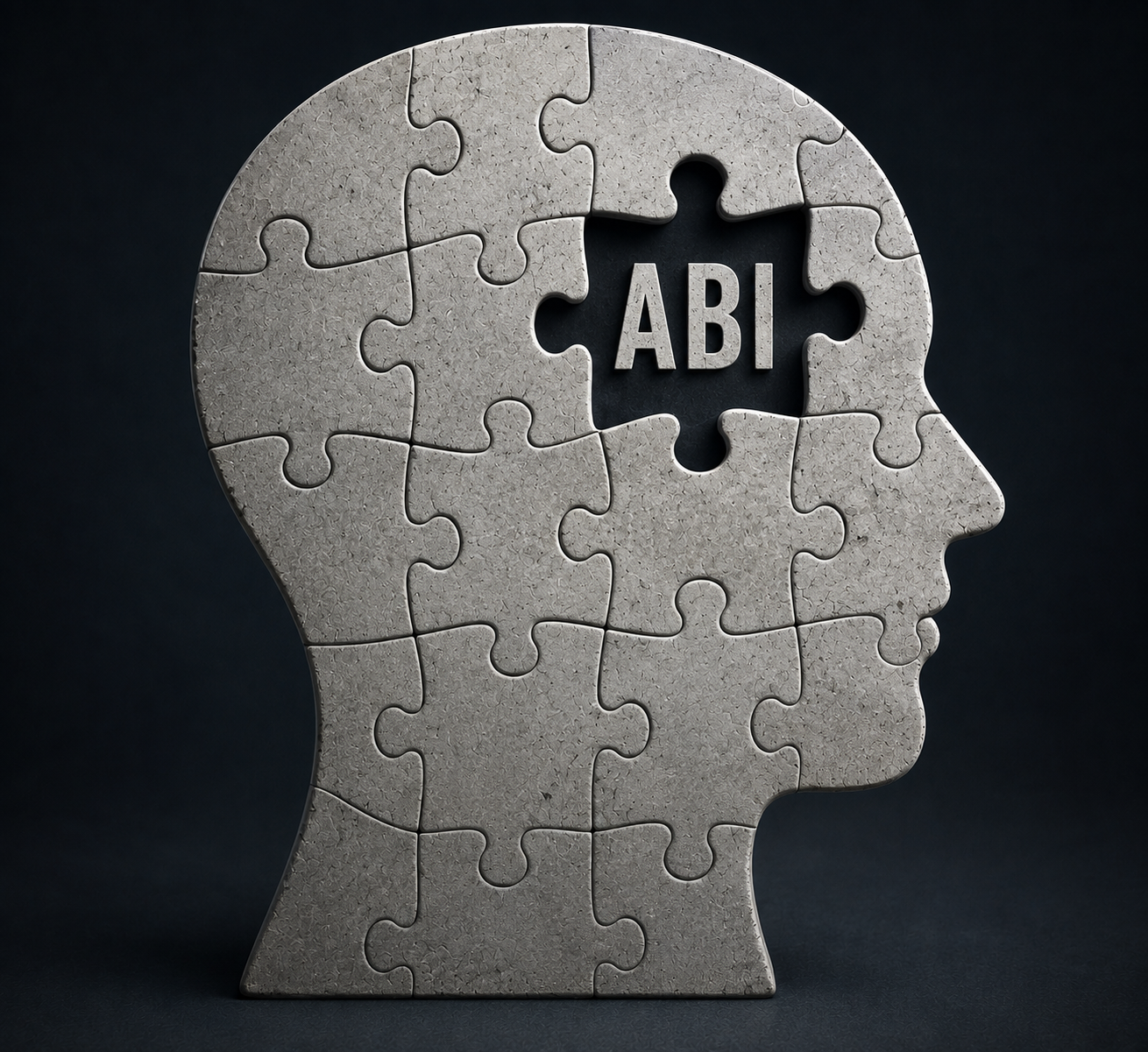
There is a new paper in The Lancet Global Health with a title that does most of the work: "Time to Confront the Global Health Crisis Hidden in Plain Sight." It argues that traumatic brain injury, which strikes around 69 million people every year and mostly in the poorest parts of the world, still does not appear on the major global health frameworks. The World Health Organization does not recognise it as a chronic condition. The paper says that has to change, and it is right.


I want to add something to it, from an unusual seat.


For most of my working life I was an intensive care specialist. I looked after people with brain injuries. I spoke to their families in quiet rooms. I was good at the acute part, the part with monitors and numbers and decisions made at three in the morning. And then, if the patient survived, I discharged them into a fog I never really thought about again. My job finished at the ward door. I told myself the story that medicine likes to tell, the one where survival is the happy ending.


In 2018 I came off my bike and got my own brain injury. So now I know what is on the other side of that ward door, and it is not an ending. It is the rest of your life.

This is the gap the paper points at, and I can describe it from the inside. The word that matters is chronic. When a clinician hears chronic they think of a management plan. When you live it, chronic means the injury did not happen once in 2018. It happens again every morning when I wake up as someone I still do not fully recognise. The bleeding stopped years ago. The consequences did not. That is precisely why WHO recognition matters. What gets counted gets funded, gets researched, gets rehabilitated. What stays hidden stays the patient's private problem, and ours is a condition that has been kept private on an industrial scale.


The paper is also right to put low- and middle-income countries at the centre. I had a full ICU, a helicopter, a rehabilitation system that was flawed but real. Most people who acquire a brain injury this year will have none of that. They will have the injury, and then silence. If a resolution at the World Health Assembly can begin to change that, it is worth every hour of the campaign.


I would only push the authors on one thing, gently. Recognition must not quietly rebuild the old redemption arc, the one where everyone recovers and waves bravely from the finish line. Some of us do not finish. Some of us are still lost, and the honest work is to fund care for that reality rather than for the tidier story. Count us as we actually are, not as the inspirational poster would prefer.


To the coalition behind this: thank you. You are naming something I spent a career not seeing, until it happened to me and I could not look away. I am fully behind it, and I would like to help.

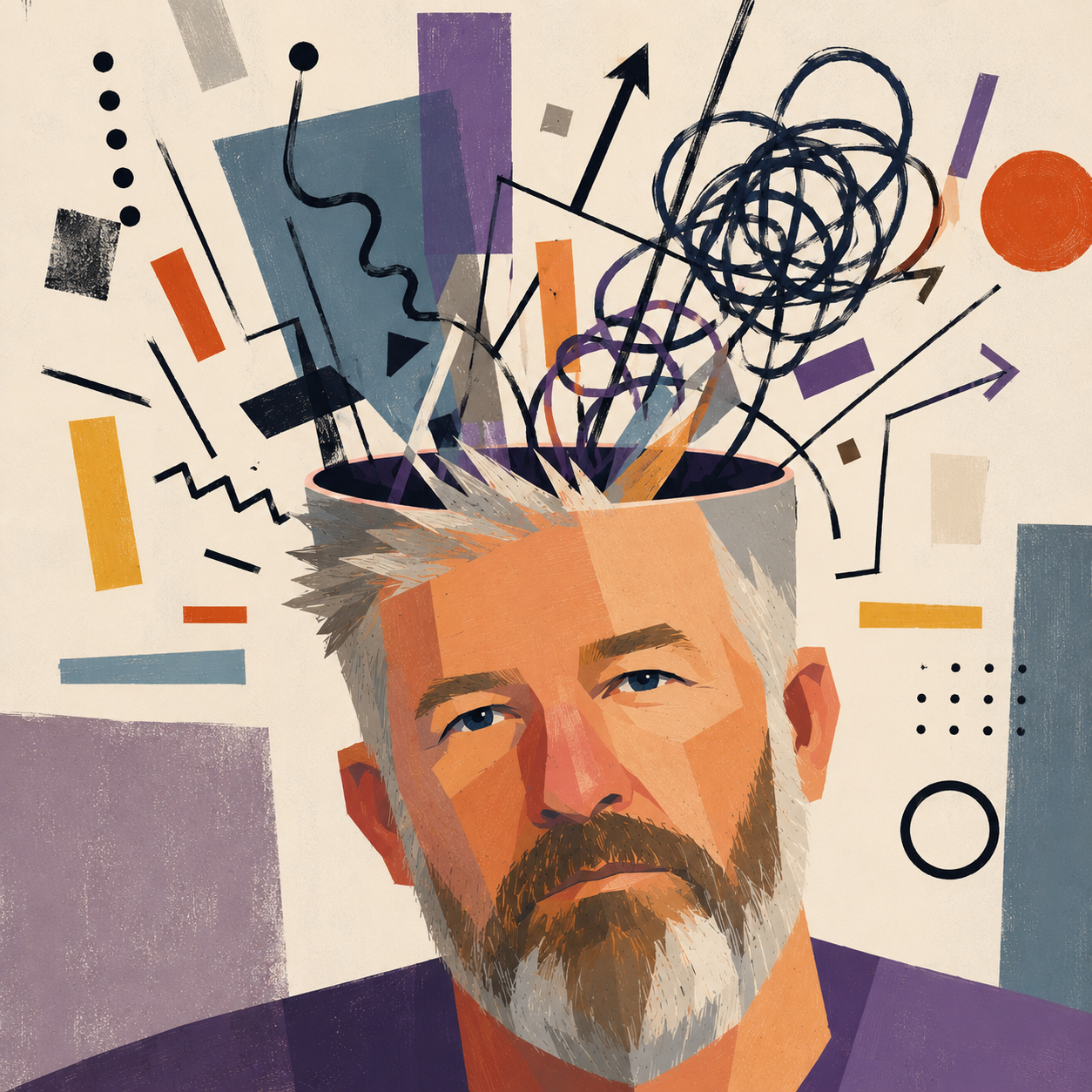
Abstract portrait of a man with gray hair and beard, surrounded by chaotic scribbles, arrows, and geometric shapes
By Bruce Powell June 30, 2026
A traumatic brain injury exposed the ADHD that once powered my career. A raw, honest story about when a superpower turns curse
Red math book titled “The Book of Mathematics” standing on a wooden floor by a window.
By Bruce Powell June 23, 2026
A restless boy, nuns, Christian Brothers and a mind that refused to sit still. A childhood story about intelligence, shame and difference.
Sunset over a sandy beach with silhouettes of people near the waterline
By Bruce Powell June 16, 2026
An ICU doctor becomes the patient after a brain injury, and finds the language of burnout and trauma too thin for what's actually been lost.
Sketch of a man wearing headphones and glasses, seated and labeled “Bruce”
By Bruce Powell May 26, 2026
Former intensive care doctor turned brain injury patient and advocate reflects on recovery, identity, rehabilitation and life after survival.
Headway logo with a face in hands and the text “the brain injury association”
By Bruce Powell May 19, 2026
A reflection on caring, exhaustion and survival, and how writing, poetry and creativity offer carers a quiet place to put things down.
Waterfront city skyline across a calm blue bay under a clear sky, with a railing in the foreground
By Bruce Powell May 13, 2026
A near-fatal crash, a stranger by the river, and the uneasy recognition that sometimes survival depends on someone stopping to ask if you’re OK.
Fluffy brown dog with a dark face sitting outdoors on green grass, looking left
By Bruce Powell May 12, 2026
A brain injury survivor reflects on friendship, identity and uncertainty after trauma, where survival can feel lonelier than loss.
Red question marks blocking a blue arrow path between two rows of directional buttons
By Bruce Powell May 6, 2026
Experience teaches doctors how to stay calm when everything feels chaotic. High performance is often just structured thinking under pressure.
Hospital room with two beds and beige privacy curtains, white walls, and bright overhead lighting
By Bruce Powell May 5, 2026
A patient who can’t speak communicates perfectly. A reminder that listening is often the skill clinicians misunderstand, even when words are absent.
Selfie of a man with light curly hair and a white beard, making a playful face indoors.
By Bruce Powell May 5, 2026
Insight promises clarity, but it often destabilises identity. What happens when you see too much, too late, and can’t return to who you were.
Show More