Carers are not simply “there” from the start. They arrive in shock. Called to a hospital, ushered into an emergency room. The same event that injures or changes the patient also lands on the people around them. Sudden illness. An accident. A diagnosis that redraws the future in a single conversation. In those early moments, carers are not calm or capable. They are disoriented, frightened, and trying to understand what has just happened, forced into a new reality without preparation, dealing with uncertainty, loss of control, and a version of the future they did not choose.
The difference is what happens next. The patient is allowed, at least in part, to occupy that space of vulnerability. The carer rarely is.
Caring for someone is not a role you step into cleanly. It accumulates. One small adjustment becomes another, then another, until your days are structured around someone else’s needs.
Time compresses. Attention fragments. You become efficient, capable, reliable. And gradually, invisible.
Someone must listen, organise, decide, absorb information, speak to staff, update family, manage logistics. The carer steps into that gap. Function replaces feeling. The shock does not disappear. It is simply pushed aside.
And it tends to stay there.
Most carers do not describe what they do as extraordinary. They describe it as necessary.
When something becomes necessary, it rarely gets questioned. You keep going. You absorb the strain. You adapt.
But there is a cost to that constant adaptation.
Carers spend long periods holding things together. Emotions are managed, postponed, or set aside entirely. There is rarely a clear endpoint. No natural moment where someone says, “That’s enough now. You can stop.”
Instead, the work continues, often quietly, often without recognition, and often without space to process what it is doing to you.
Creative work offers something different. Not a solution. Not an escape. Something more practical than that.
A place to put things.
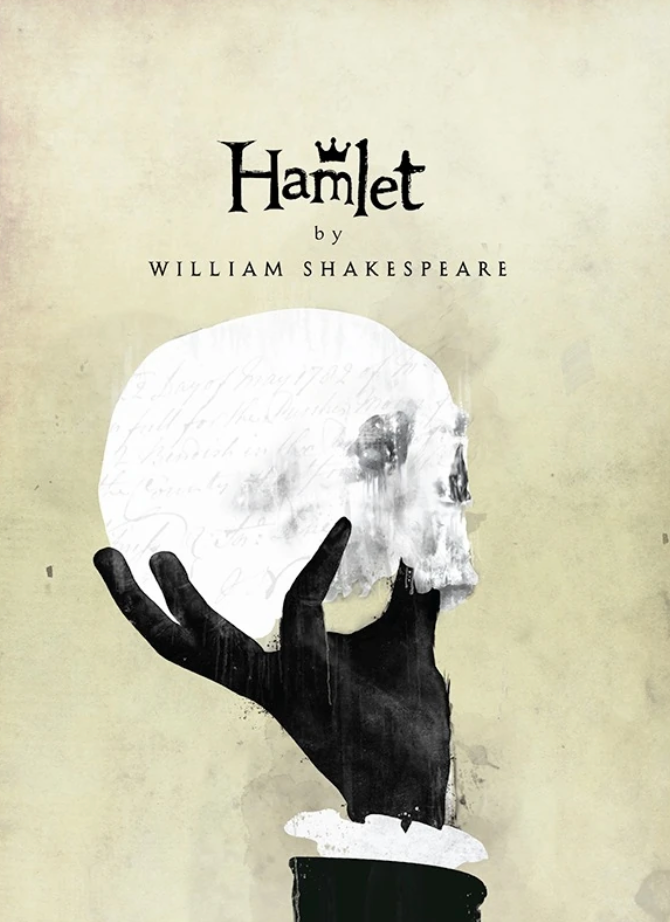
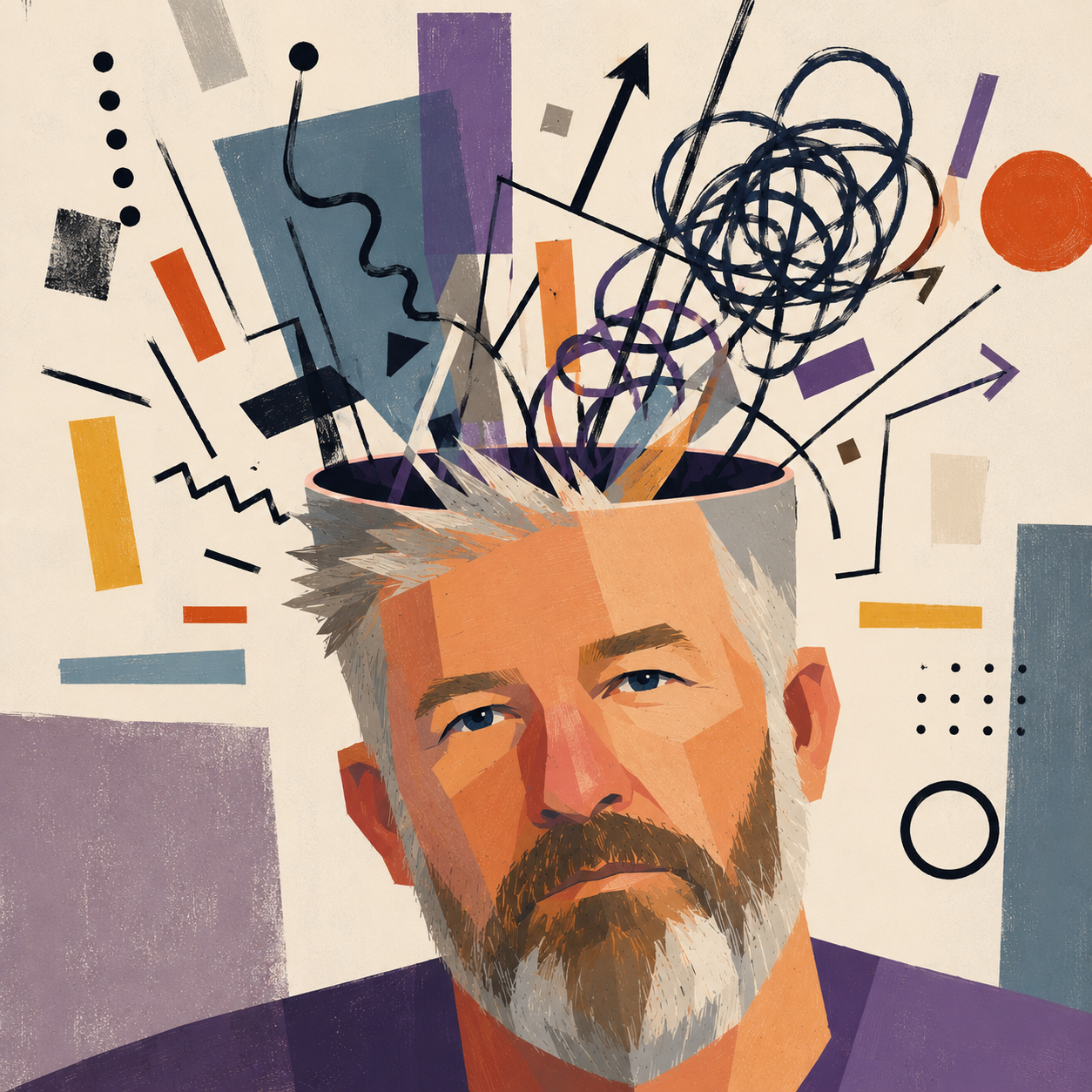
Writing, poetry, music, painting. These are not indulgences. They are structured ways of externalising what would otherwise stay contained. They allow thoughts to move from inside your head into something you can see, shape, and step away from.
For carers, this matters.
Because much of what you experience has nowhere to go. You cannot always say it out loud. You cannot always share it with the person you are caring for. You cannot always explain it to others who are not living it. So it builds. Quietly, efficiently, like everything else you manage.
Creative work interrupts that.
A blank page does not require you to be measured or appropriate. It does not need you to be optimistic. It does not ask you to be strong. It simply allows you to say what you feel.
You do not need to write well. You do not need to produce something worth sharing. In fact, it is often better if you don’t try. The point is not to create something good. The point is to create something true.
A few lines. A sentence. A fragment. That is enough.
Poetry works well because it does not demand structure. It tolerates broken thoughts. It allows contradictions to sit side by side without needing resolution. For someone living in an uncertain, ongoing situation, that matters more than polished prose ever will. Carers whole lives become lines of imbalanced, uneven, surreal poetry.
Music and painting offer similar space, but without words. For some, that is easier. Not everything needs to be explained. Sometimes it is enough to move your attention from what is happening around you to what is happening within you, even briefly.
Creativity is not about finding time. Most carers do not have spare time. It is about taking moments. Five minutes. Ten at most. Enough to pause, to shift focus, to place something down. Sometimes, even that can feel impossible. On some days, even a single minute is hard to find. If all you can manage is a few seconds to breathe or notice yourself, that is just as valid. Any pause, however brief, is valuable.
That small act can be enough to reduce the internal pressure that builds when everything stays unspoken.
From personal experience, writing became a way of managing what I could not otherwise process. After a brain injury, much of what I thought I understood about myself no longer held. Writing did not fix that. It did something more modest. It gave me a way to organise fragments, to revisit them, and occasionally to recognise something I had missed.
Sometimes, though, creative work can bring up strong or unexpected feelings. If that happens, it is okay to pause. It is also okay to seek support, whether from someone you trust or a professional. Facing what comes up is part of the process, and you do not have to do it alone.
It also created distance. What sits on a page is no longer entirely inside you. You can look at it. You can question it. You can leave it there.
For carers, that distance is often what is missing.
You are close to everything. Constantly. Emotionally, practically, physically. Creative work creates a small gap. Not enough to disconnect. Just enough to breathe.
There is no requirement to share what you produce. Whether you choose to keep it private or share it with someone you trust is entirely up to you. Sometimes, sharing your creative work can be helpful, especially if it feels right to you, but it is just as valid to keep it for yourself. This is not performance. It is not communication. It is maintenance. Survival.
A way of staying intact while doing something that can easily erode you over time.
Carers are used to being the stable element in unstable situations. Creative work allows you, briefly, to step out of that role. Not to abandon it, but to loosen it.
To put something down.
To notice what is there.
And then, when needed, to pick everything back up again.
So follow me.
Breathe in. Breathe out.
You got this.
Dr Bruce Powell
Headway UK Ambassador