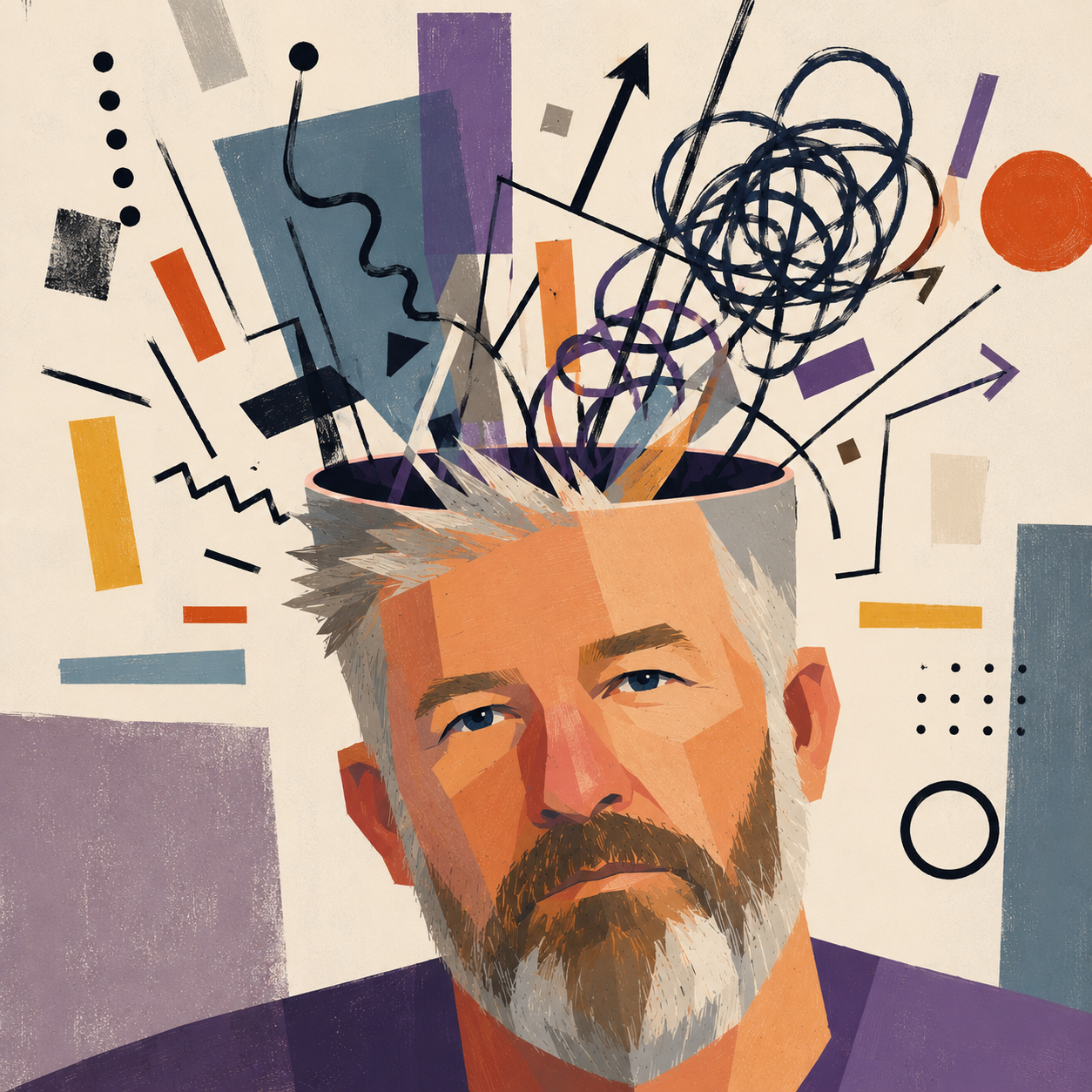
Without lived experience, brain injury is often seen as a problem of movement and speech. Yet for some, the real challenge is behavioural.
Aggression. Disinhibition. Apathy. Poor judgment. These are the visible, front-of-house problems. Observable. Measurable. Manageable. At least in theory.
But behaviour is only the surface. Beneath it sits something more complex.
Awareness.
Awareness first appears to be an advantage, a useful vantage point during recovery.
It isn’t that simple.
Recognising the fault line does not stabilise it.
It makes you aware of how close you are to falling.
From my experience on Both Sides of the Bed, I recognise two distinct clinical presentations that appear similar from a distance but diverge on contact.
On one side lies the patient with limited insight; disinhibited, impulsive, inappropriate. They upset people. They breach social rules seemingly without conscience or concern. Families describe them as changed, different, sometimes dramatically so.
Medical professionals label this as a personality change and focus on containment: behavioural strategies, risk management, supervision.
For their own good.
Messy but pragmatic.
On the other side lies the patient with insight. Someone like me.
They notice their disinhibition, emotional volatility, cognitive slips, hesitation, delay, and the void where confidence and identity once were.
Crucially, they remember who they were.
To observers, insight looks like preserved function, a foothold that suggests rehabilitation will be easier.
It’s not as simple as that.
From the inside, insight feels corrosive. A cursed mirror held up to the face.
Reflections do not restore function; they only serve to sharpen the contrast with the past, an enduring comparison between two portraits of self and what has been lost.
The person becomes a voyeur of their own decline.
I am plagued by the troubling misconception that insight is an advantage, a head start on a new life.
On the one hand, the system values insight because it aligns with cooperation, but on the other hand, that same insight generates distress. A sustained awareness of loss without resolution.
A new normal, clinicians call it.
The thing is, fuck off with your new normal. I don’t want it. I don’t want a lived experience, I want my old me back.
And yeah, I shouldn’t swear, and I know that you are trying to be positive.
Unhelpful helpfulness Kate and Nadine would call it*.
I experience your generosity as pain and distress.
There is a point where the language of change stops working, clumsy and unrealistic.
From the inside, the awareness of this new identity feels like discontinuity.
Not a change in personality, but the traumatic termination of one life, reincarnated as another.
Memories of my prior self feel complete but inaccessible. Those recollections fade, replaced by something unfamiliar, unstable, and misunderstood.
I know who I was, but I do not feel like him anymore.
I know the new person is me, but I do not know who I am.
At times, insight makes life intolerable.
Without it, there is at least the possibility of settling into the new version.
With insight, the comparison between past and present is relentless. The person with limited insight can adapt to new circumstances, while the person with insight constantly measures the distance from their former self.
One stable but gone. One present but unreliable.
As my life carries on and I seek a new identity and direction, the challenges of insight extend beyond clinic appointments and home life.
I access committees, advisory groups, and advocacy roles using my old identity card. The one that looks like me, but isn’t.
Insight amplifies that dishonesty.
Every contribution comes with self-monitoring.
Was I too blunt? Too slow? Too much energy?
Sometimes this spills over: a committee meeting where I push too hard. The logic is sound, intention good, but the delivery isn't. Too sharp, too direct, poorly timed. The Zoom players shift uneasily in their video-cubes. Not dramatically, but enough that I notice.
A few days later, the chair emails me.
Let’s have a chat. Perhaps this group is not the right fit for you.
That moment lands differently with insight. A painful reminder of my youthful, cantankerous self.
I might have dismissed it. Pretended to be misunderstood.
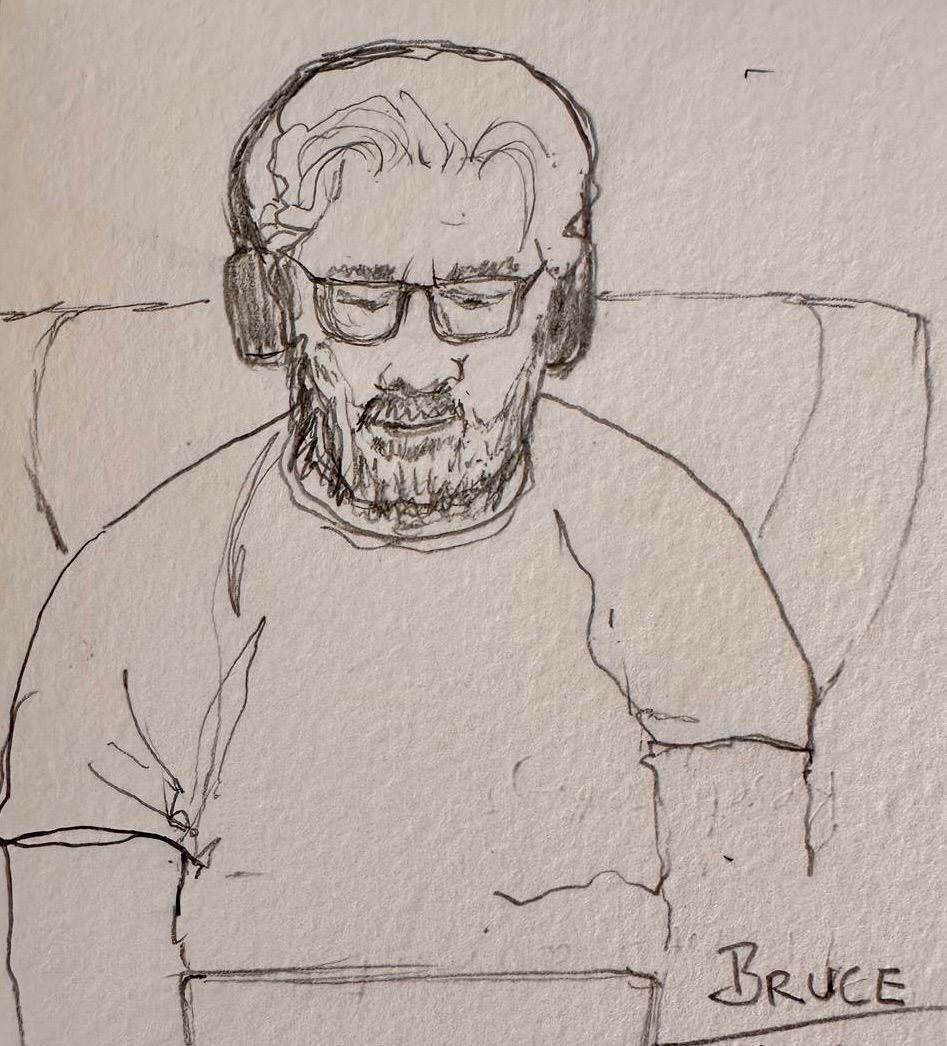
But that moment becomes evidence for the prosecution, pushing for a guilty verdict in the trial of Brain Damaged Bruce.
Worse than that, it might easily happen again.
The issue is not the chair’s comments; it is the perceived unreliability behind them.
Should I apologise and keep going, or retreat to solitary safety?
Neither holds my fragile self-worth.
Habitual apologies reframe me, but retreat shrinks my ambitions and my value.
Maybe there is a less binary, durable approach in the middle of this mess.
A way to manage my expectations rather than apologise for my errors.
Here’s how.
I shall anticipate my flakey fallibility; replace apology with correction; allow my imperfections to be visible without telling stories about them. Accept my limitations.
From the outside, insight still looks like an advantage. Just needs a tweak or two.
But from the inside, control is a draining effort, continuous and invisible.
The question is not how to eliminate that cost, but how best to spend my limited resources.
Fuck it. I’ll figure it out.
For now, I just need to rest.
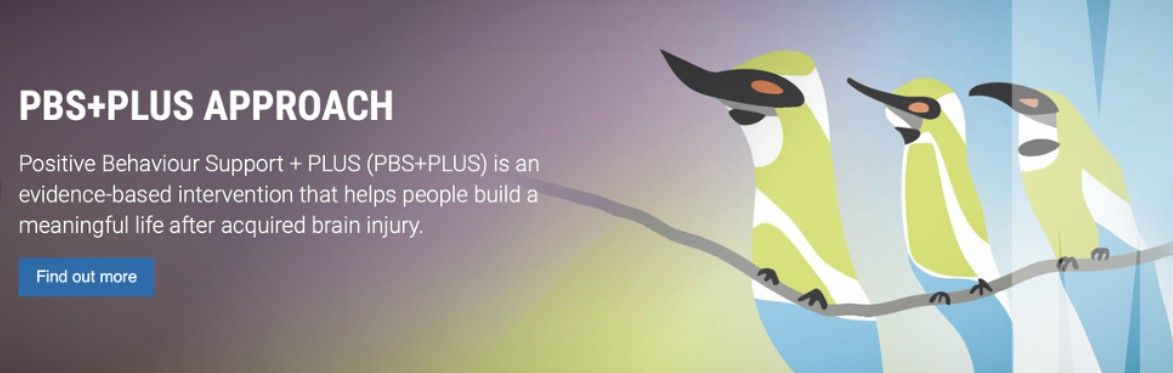
*Thanks again to the PBS+PLUS APPROACH team from Monash University and the leadership of Kate Gould and Nadine Holgate for helping me with the discomfort of insight.
https://www.monash.edu/medicine/pbsplus