We like to think behaviour reflects character. It’s a useful shortcut. It lets us decide, quickly, who is thoughtful and who is difficult. The problem is that it only works when capacity is stable.
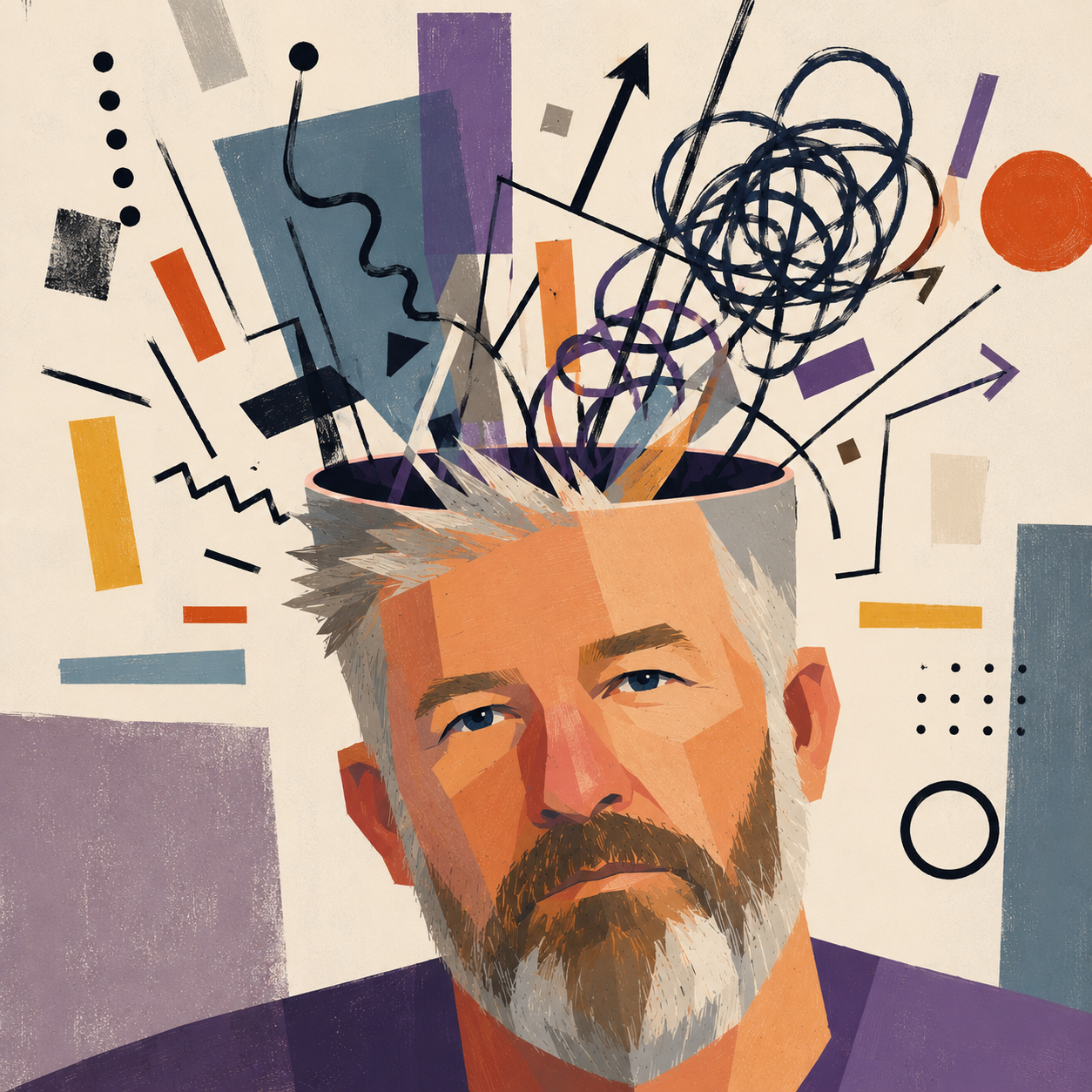
When someone is abrupt or aggressive, we assume intent. But behaviour isn’t always a choice. Often, it’s a failure of execution under load.
Challenging Behaviour
In medicine, this is called “challenging behaviour.” Outside of medicine, it’s just called being a pain in the arse. Either way, the judgment is similar. But behaviour isn’t always something we choose.
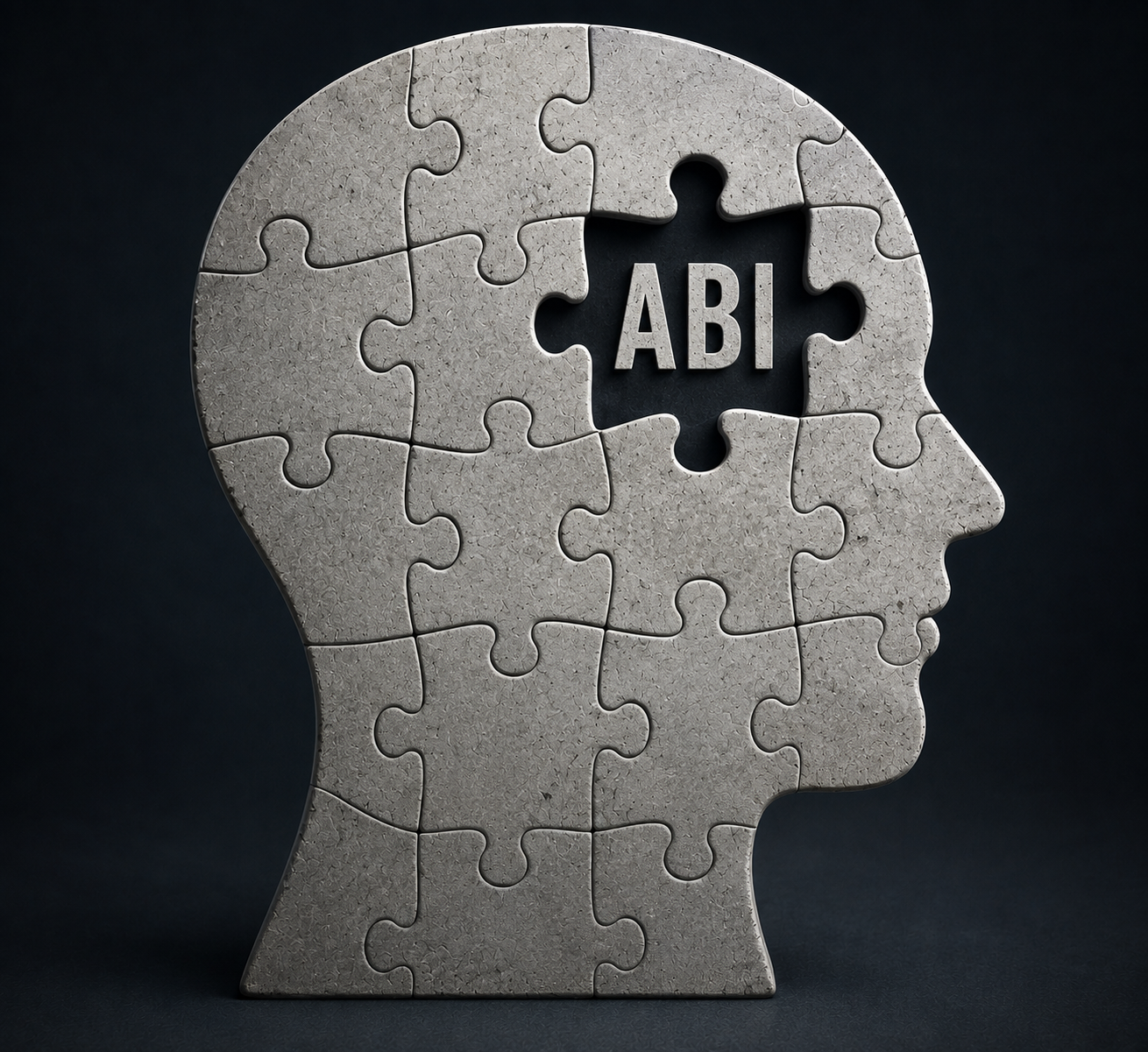
After a brain injury, that idea starts to break down. You might want to stay calm and measured but still not manage it. It’s not that your values have changed, but your ability has.
Before and After
Before my injury, I worked as an intensive care doctor. My behaviour felt steady. If I was sharp or impatient, there was usually a reason. After the injury, that changed. Some days I could control myself, but other days I couldn’t. Sometimes conversations shifted halfway through, or a sentence came out wrong, and it was too late to fix it.
The difference wasn’t about character. It was about mental bandwidth.
Self-control depends on cognitive capacity: attention, working memory, and emotional regulation. Damage or overload those systems, and behaviour slips. The intention may still be there, but the execution isn’t.That’s the part other people don’t see. They see impact. A tone that feels off. A comment that lands badly. You don’t get judged on the intention behind it. You get judged on the effect it has and the effects build.
Friendship and Trust
Friendships fade. Professional trust weakens. Invitations stop coming. It doesn’t happen all at once, but through repeated small moments, little cracks, over and over.
It’s easy to see this as a question of responsibility. Maybe the injury explains it, or maybe you just lost control. But neither explanation really works for long.
The injury clearly changes what you can handle. But the consequences are still social. People still react, and the world doesn’t change much to accommodate you.
So you end up in the middle. Your behaviour isn’t completely reliable, but it still matters.
Something to Fix
Rehabilitation tends to treat this as something to fix. Techniques, strategies, therapies. Sometimes they help. Often, they only work under the right conditions. Control turns out to be conditional.
I can manage my behaviour if I’m prepared, rested, and not overloaded. Take any of that away, and the system degrades. Under pressure, the gap between intention and action widens.
This isn’t unique to brain injury. Most people recognise the edge of it. Under stress or fatigue, patience shortens, judgment slips, and behaviour changes. The difference here is scale and frequency.
But we still judge others as if their capacity never changes.
Expectations and Reality
When behaviour doesn’t match expectations, we reach for simple explanations: rudeness, lack of effort, attitude. They’re convenient. They let us blame the person and move on.
But there’s a cost to thinking this way.
When behaviour is mistaken for intention, people get judged for things they can’t control. In healthcare, this can mean people stop engaging with rehabilitation services. Outside of healthcare, it can lead to isolation, shame, and fewer opportunities.
None of this takes away the impact. Words still matter. Actions still have consequences. Understanding someone’s capacity doesn’t change that. But it does change how we think about it. Instead of asking why someone acted that way, it might help to ask what made it likely. Rather than expecting people to be consistent, expect some ups and downs. Instead of just correcting behaviour, consider what’s happening around it.
It may be less satisfying, but it’s closer to the truth.
My behaviour doesn’t always show who I am. It shows what I can handle at that moment. Sometimes those match up, and sometimes they don’t.
But only one of those is visible to others.
Thanks to
https://www.monash.edu/medicine/pbsplus ,
Dr Kate Gould and Nadine Holgate for their fabulous course and insights into the challenges of positive behaviour support.
Dr Bruce Powell MBBS MRCP FRCA FANZCA