The Executive Function Trap at the Heart of the NDIS
My friend Dan is dead.
He could not manage the complicated world he woke in after his brain injury.
Insurance and legal paperwork left him confused. He was overwhelmed by endless surgical, rehab, and administrative appointments. Deadlines passed, and Dan’s future was decided by the kind of paperwork most of us dislike but manage. For Dan, it was simply too much. The system became a blur, and people called him 'difficult.'
Ironically, he could not navigate the disability support system that was supposed to help him.
Dan lived in his car, fished for food and drifted to the margins of a society full of services he technically qualified for, but could not meaningfully access.
Dan’s story is extreme and tragic, but it is not unusual.
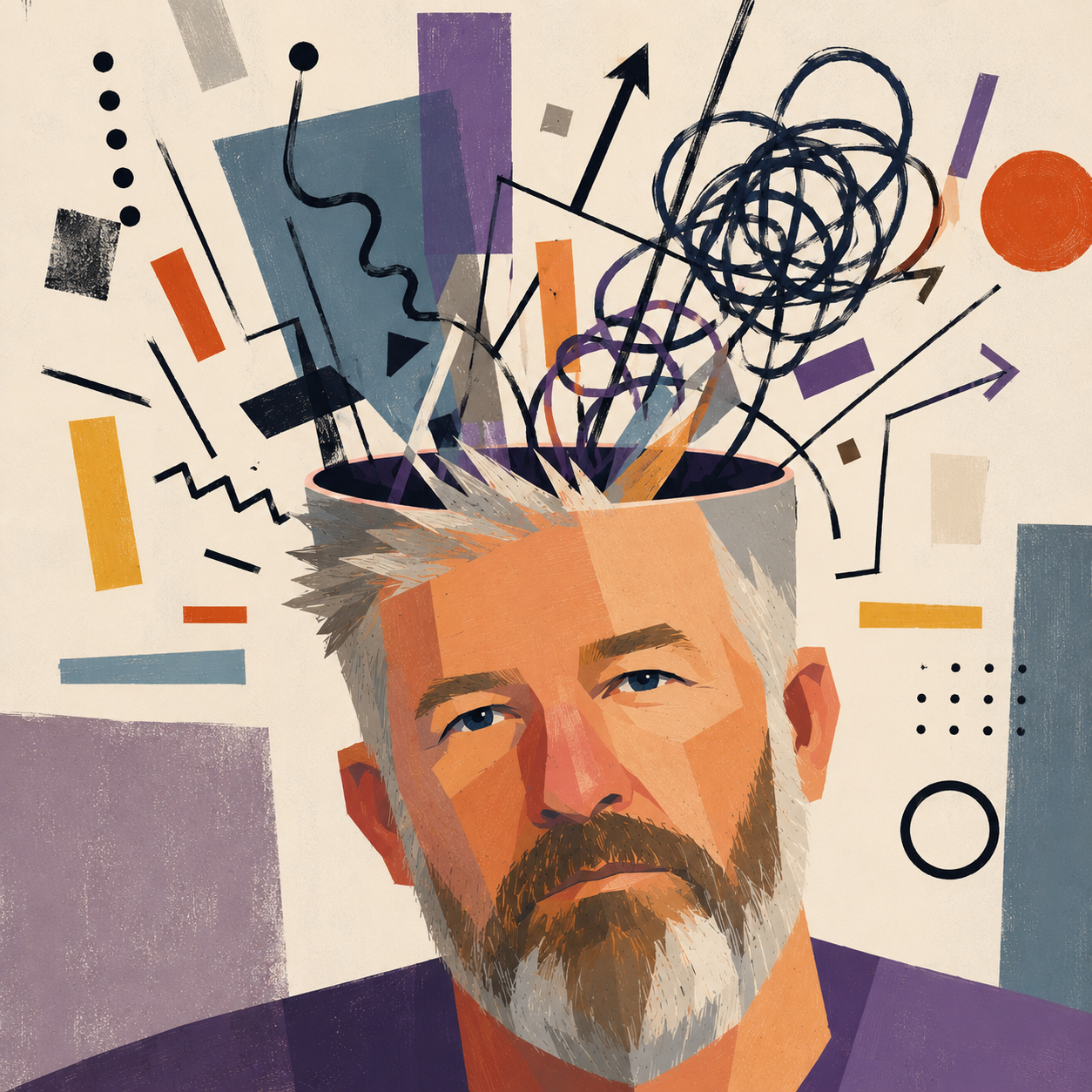
One of the strange things about the NDIS is that many people have to use the very thinking skills their disability has affected just to get help.
To get into the scheme, people have to collect reports from different doctors, figure out complex rules, set up appointments, fill out long forms, show how their disability affects them, upload documents, keep track of deadlines, answer follow-up questions, and sometimes argue decisions.
In short, they need to show they can stay organised, remember things, plan ahead, read and write well, keep going, and manage their emotions. The NDIS expects people to have strong thinking and organising skills, even when those are the very skills they struggle with.
This is a major flaw in the system, not just a small problem. The people who need help the most are often the least able to deal with all the paperwork and rules needed to get it.
Many have to depend on family, unpaid carers, costly advocates, or just luck.
Those without this kind of help often miss out without anyone noticing.
We act like this is just a matter of things being complicated. But really, it’s an extra mental burden placed on people with disabilities. It’s an extra mental cost for people with disabilities.
How good an NDIS application is, often depends less on how severe someone’s disability is and more on how skilled their helper is. Two people with almost the same disability can get very different results, just because one has an organised partner, a paid advocate, or a doctor who will stand up for them.
That’s not a fair way to judge people.
It’s a kind of bias built into the system.
Some people say the system needs to be strict. They argue public money must be protected, fraud must be stopped, and eligibility must be checked carefully.
That’s fair.
No one seriously disagrees with that.
But being thorough doesn’t have to mean making things hard to access.
A process can be strong and fair without being mentally overwhelming.
When the support system punishes people for having trouble with thinking and organising, it stops measuring real disability. Instead, it just tests if people can deal with paperwork, which goes against what the NDIS is supposed to do.
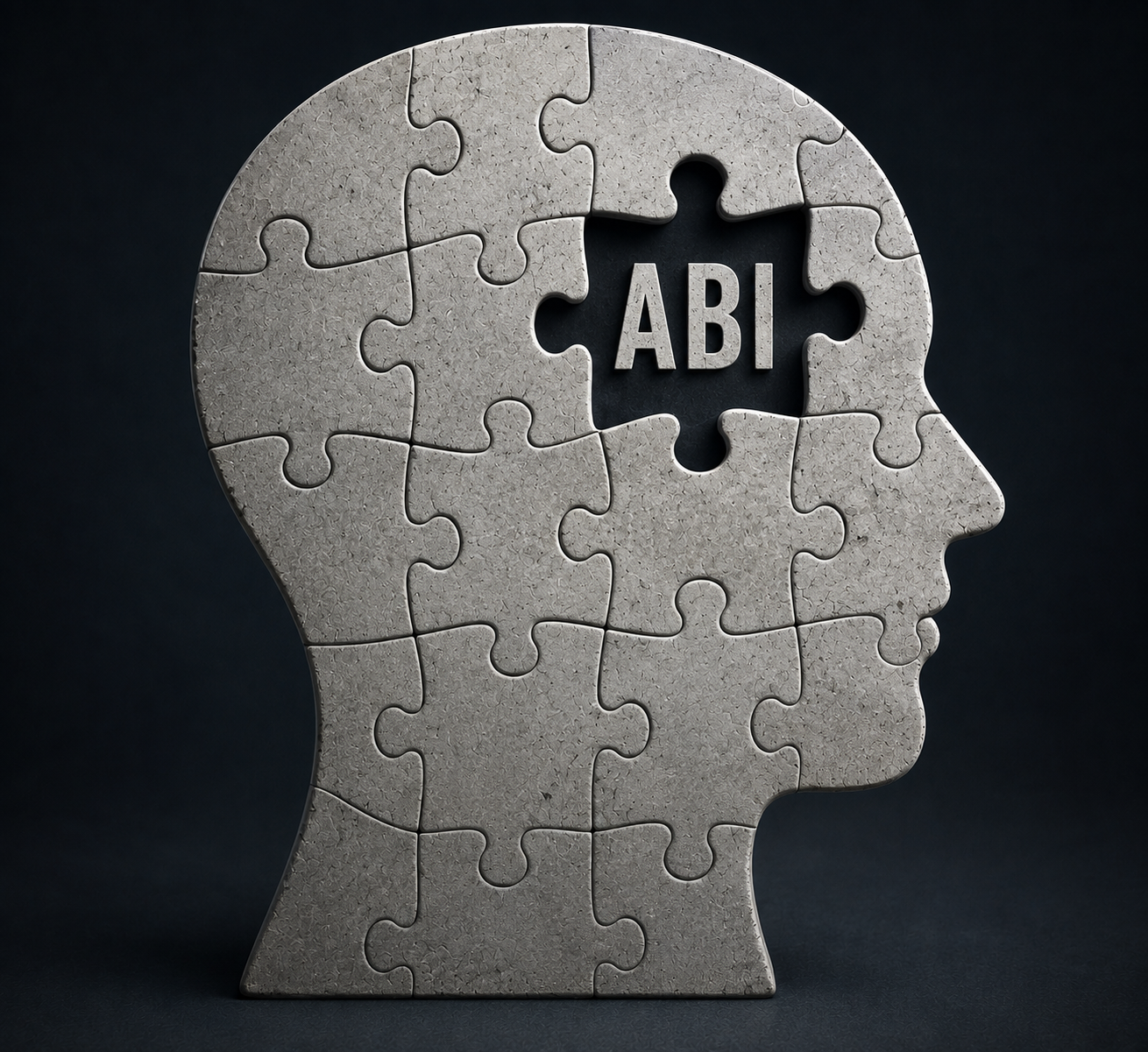
This problem is especially clear for people with brain injuries.
Many people with brain injuries seem to speak well to others, but they struggle a lot with memory, organising, thinking quickly, tiredness, planning, and managing emotions. They might be able to talk about their symptoms in a clinic but still can’t handle all the paperwork needed to prove their disability.
Families often say that applying for help feels like going through another injury. Every report has to be tracked down. Every phone call has to be made again and again. Every deadline adds more pressure to families who are already stretched thin.
This is important for both moral and financial reasons.
When people can’t get the disability support they need, the need doesn’t go away. Instead, the costs show up elsewhere, in hospitals, mental health problems, lost jobs, carer exhaustion, family problems, and more serious help needed later.
A support system that is difficult to access is not necessarily efficient.
It might just cost more in ways that don’t show up right away on a budget. We have accepted ramps for those with impaired mobility. Interpreters for those with impaired hearing. Assistive technology for those with impaired vision.
But when someone has trouble with thinking and organising, we still give them a pile of forms and call it fair. This doesn’t make sense.
If getting help for thinking and organising problems requires you to have those very skills, then the NDIS has missed the point.
Technology might help. Tools like AI writing assistants, guided evidence checklists, and better admin support could make things easier. But technology isn’t the main issue. The deeper issue is that we need to stop acting like dealing with paperwork is fair for everyone. is neutral.
It is not.
It helps some people and leaves others out.
A disability support system should focus on the disability itself. It shouldn’t judge people by how well they handle paperwork. The NDIS needs to change so that getting support doesn’t depend on showing skills that people have lost. Policymakers and administrators should redesign the process to fit the needs of people with thinking and organising problems.
And many will fail, simply because they are exhausted.