Picture an old school gymnasium. Wall bars, varnished floor, a line of ropes hanging from the ceiling. The job is to get across the room without touching the floor.
At the other end is a happy life. People you want to see. Things you look forward to doing. Days when neither your injury nor your appointments decide what happens. After my brain injury, that seemed a bloody long way across the gym.
The first rope gets you from the roadside to the emergency department and into theatre. The next is intensive care. I’d spent years working in ICU. When I woke up in one, I knew where I was. There wasn’t a familiar face in the room. I had no idea what had happened before I woke up or what might happen next. Seven years later, I was still trying to make sense of that experience.
Then there’s inpatient rehabilitation, outpatient rehabilitation and the rehabilitation you’re expected to organise yourself. There are peer groups like Headway and, further across, the support you find in your own community. You might have a hand on two ropes for quite a while. You might need to reach back for one you thought you were done with.
Each rope hangs on its own. Each service has to find its own staff, money and time. It has to hang low enough for someone to reach it and be strong enough to take their weight. An outpatient service can exist on paper and still be six months away. A psychologist can have an appointment available at a price you can’t afford. A peer group can have an empty chair and no way of getting you to it.
And every rope has a job to do with the ropes either side of it. Someone has to make sure the next team knows you’re coming, can see you and has what it needs to help. The ICU team may be able to tell you what happened in those missing days. Rehabilitation and psychology may be able to help you live with it. You may want the first conversation quite early and only be ready for the second much later. Who makes sure you can still have it? Who pays for it? Leave those questions unanswered and the patient or family gets the job, on top of everything else they’re already carrying.
The rule in the gym is simple. You must keep hold of the rope you’re on until you have a firm grip on the next one. But even then, a rope can take your weight and yet still leave you hanging. Stuck. If the next rope is too far away, you can spend years suspended between services, putting everything you have into holding on. The happy life at the other end of the room stays where it was.
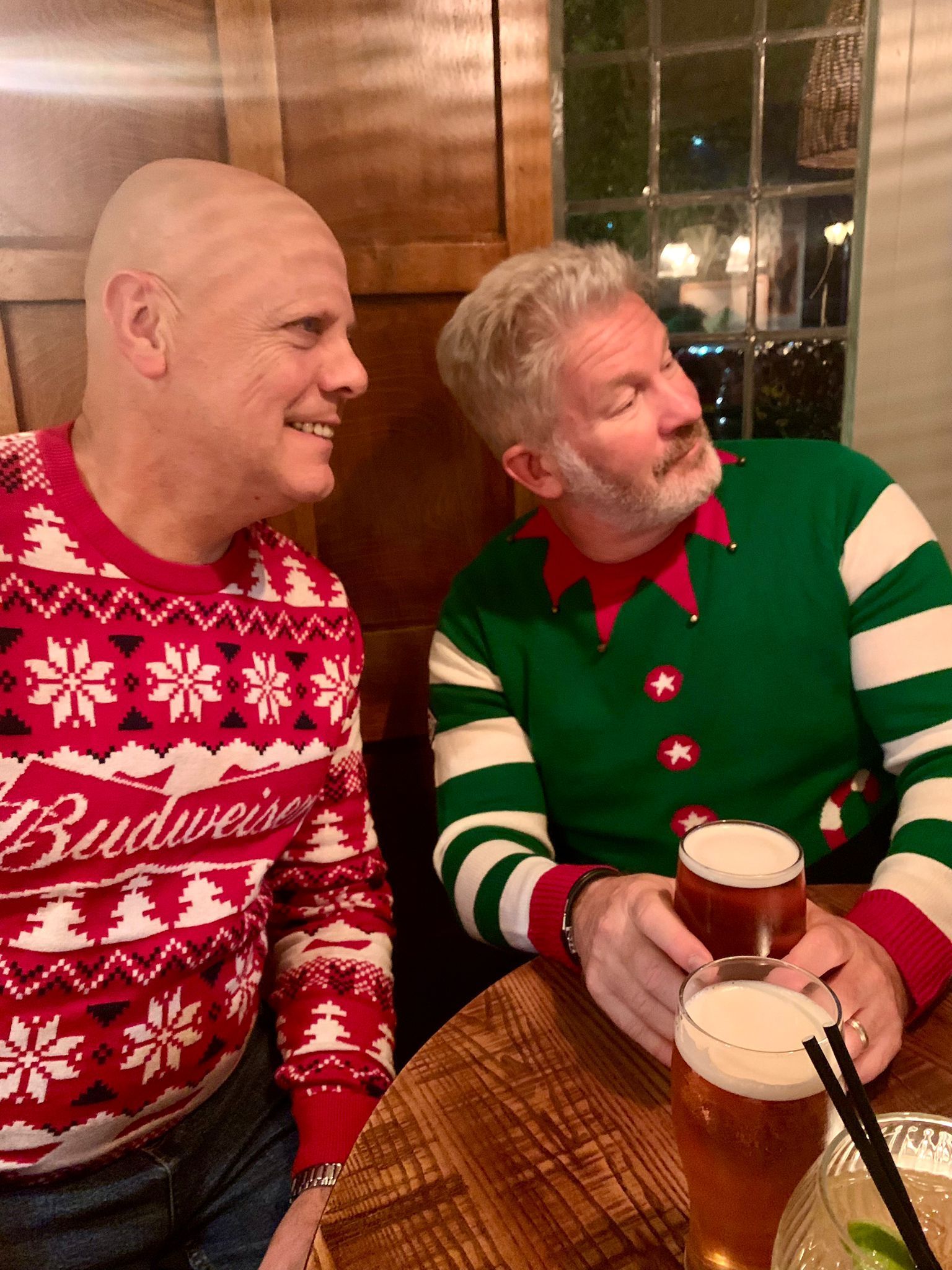
At Headway Devon, we spent time together doing jigsaws, having lunch and taking the piss out of each other. I went away glad I’d gone. There’s something in that about what recovery is for. You can spend years working on getting better and still need somewhere to go on a Tuesday where you enjoy being alive.
Headway also offers a place from where some clients may reach a new happy life. Swing to independence. Not the same as before, but better than it might have been. A place full of hope and joy.
When I handed a patient over from ICU, I knew who was taking them and what that team needed to know. I’d like us to apply the same care all the way across the gym to a contented space at the other end.
Headway UK is one of those ropes.
It will need increasing support if we are to provide a firm handhold for those in rehabilitation.