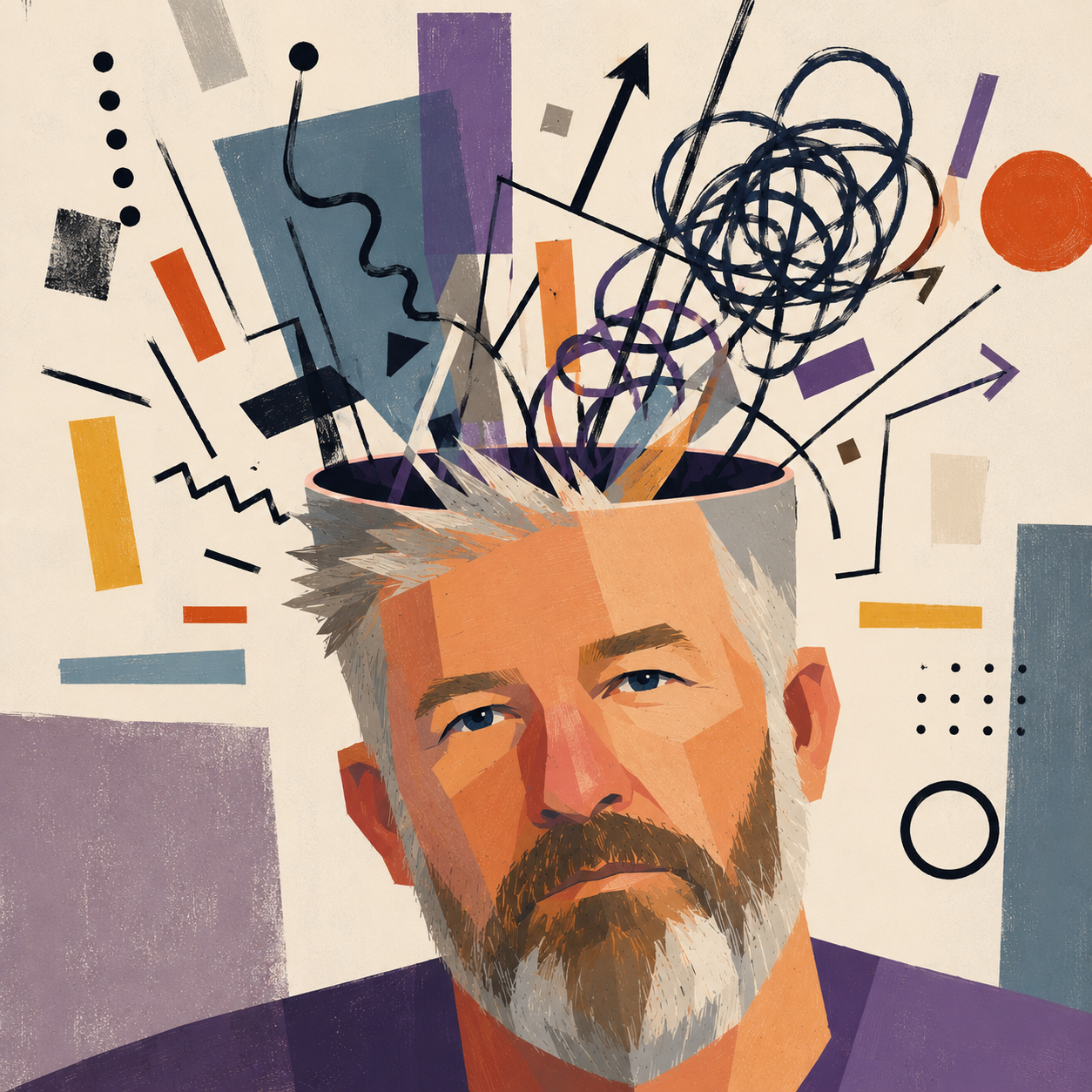
Advocacy begins with a tension. An advocate must face the world as it is; the facts, failures, institutional habits and human consequences, while still believing in a world that could be fairer, kinder and more responsive. The work lives in the uncomfortable, grey gap between the two.
Hope Alone
That distance cannot be crossed by hope alone. Evidence and lived experience matter, but so does understanding why problems persist. Systems are rarely held in place by one bad decision. More often, the barriers are limited resources, competing priorities, political caution and divided responsibility. Describing failure attracts attention; understanding its foundations makes change possible.
Advocacy In Isolation
Nor can an advocate bridge that distance alone. Experience has convinced me that lasting change depends on partnerships and that is often the hardest part. Every group brings its own pressures and idea of success. People affected want dignity and support; families want safety; clinicians look for evidence; providers worry about capacity, funders require accountability, and governments face political realities.
These perspectives can all be reasonable and still pull a project in opposite directions. One partner may want a bold campaign while another fears stigma. One wants quick results; another knows trust takes time. Success may mean awareness, better services, policy reform or financial sustainability, depending on who is speaking.
No Promises
The answer is not to promise everyone everything, but rather to manage expectations and produce compromises that satisfy the meeting while advancing change, just a little at a time. Strong partnerships need a shared understanding of the problem, honest measures of progress and confidence that no voice will dominate. Disagreement can then be worked through openly. People accept difficult trade-offs more readily when they feel heard and can see the common purpose.
The Life Project
I learned this while working for DonateLife in Western Australia, where I commissioned the Life Project. The sculpture and place of reflection at City Beach honours organ and tissue donors and their families. It also gently invites others to consider donation, register their decision and speak with those close to them.
The project took five years to realise. Donor families, DonateLife, the Organ and Tissue Authority, local government, the artist and the wider community brought different hopes, duties and concerns. Progress was rarely simple. Yet the project endured because it became more than one person’s idea. Partnership gave it legitimacy, a physical home and a life beyond its original advocates.
At DonateLife, I often reminded staff and the groups we worked with that passion for change is a starting point, not a strategy. Passion can spark action, but it is difficult to sustain and may be spontaneous, emotional or even illogical. Lasting change needs data, evidence, credible business cases, broad appeal and a long-term vision that others can understand and buy into. That vision cannot belong to one individual, one department, one community or one voting cycle. It must be built collectively and strongly enough to survive changes in leadership, funding and political attention.
Tough Work
I also know how demanding this work can be. No one ever said any of this would be easy. Change is difficult and uncertainty inevitable. Political and funding cycles are short, while meaningful change requires years of steady investment. A strategy may lose support just as it begins to work, scattering relationships, knowledge and trust.
Moving between lived experience, advocacy, research and institutions has given me an unusual vantage point on why change is so difficult. Governments and politicians must weigh human need against budgets and votes; researchers work within funding priorities, evidence requirements and long timeframes. Money and electoral support can feel like blunt measures of human value, yet without them worthwhile change may never be sustained.
Contributions Across the Board
This is why I contribute wherever influence can be built: through social media, committees, research at Monash University, start conversations with the Australasian Faculty of Rehabilitation Medicine (AFRM), and direct advocacy with hospital executives for individuals, supporting those the system has forgotten. The settings differ, but the task is the same: translating lived experience into terms institutions can act upon without losing the person at its centre.
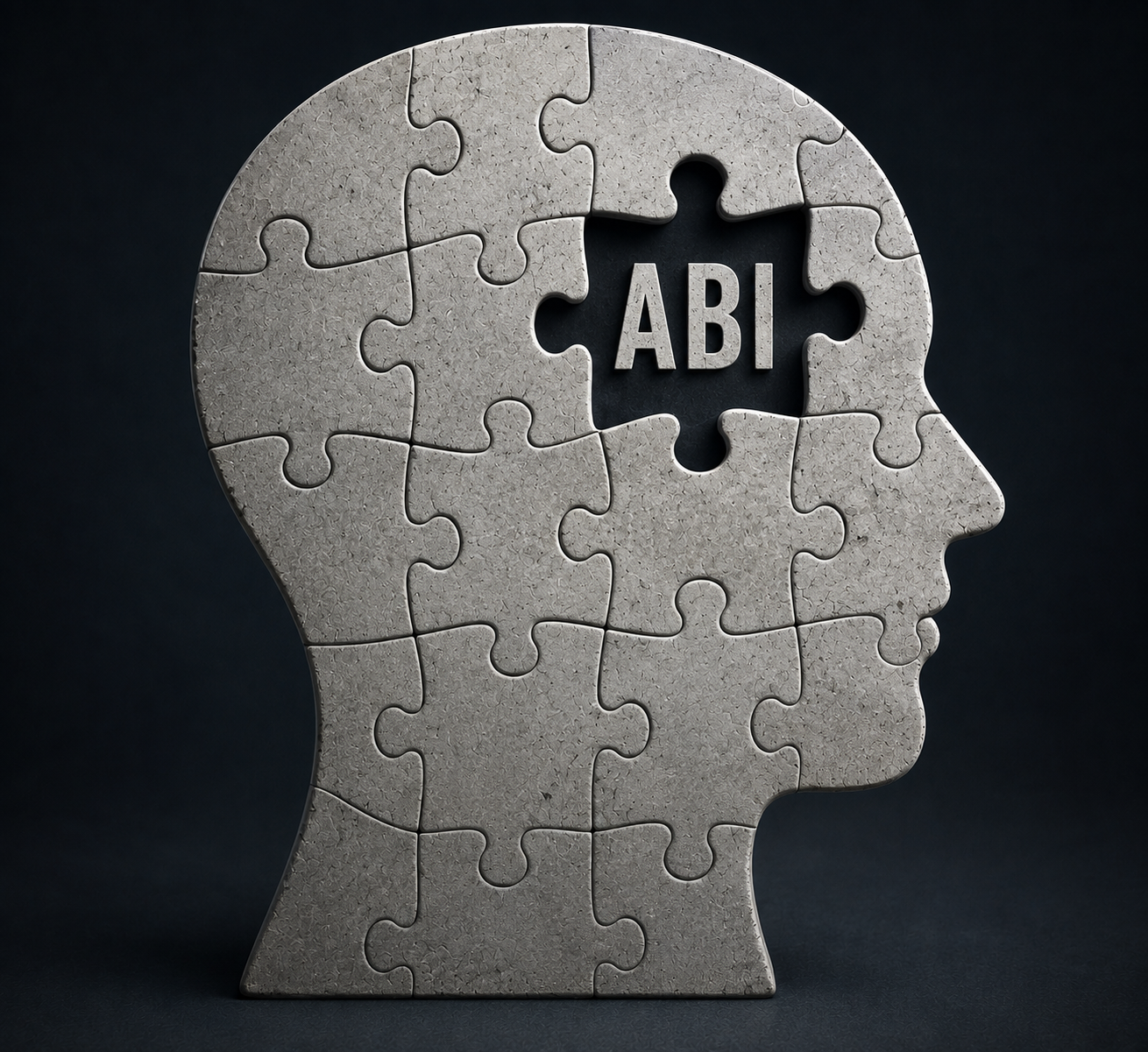
For people living with brain injury, this mismatch is especially harsh. There is often no simple cure or straightforward return to a former life. The aim is a better life and that requires continuing, consistent support. Headway UK’s work has reinforced how easily brain injury can remain unseen. A person may look well while living with fatigue, memory loss, impaired judgement, emotional change or sensory overload. These effects are easily misunderstood. Advocacy must therefore be built with survivors and carers, not merely for them, placing lived experience alongside professional knowledge.
Care and Time
That work requires care: visibility must never become exposure. People with head injury should not have to display painful experiences to earn support. Good advocacy protects dignity while making hidden needs harder to ignore. This, I believe, is the advocate’s real test, not simply to attract attention, but to build enough trust and shared ownership for the work to endure.
Hope begins the work.
Truth keeps it honest.
Partnership gives change the chance to last.