The Heath Ledger Theatre. 7 pm.
Hamlet.
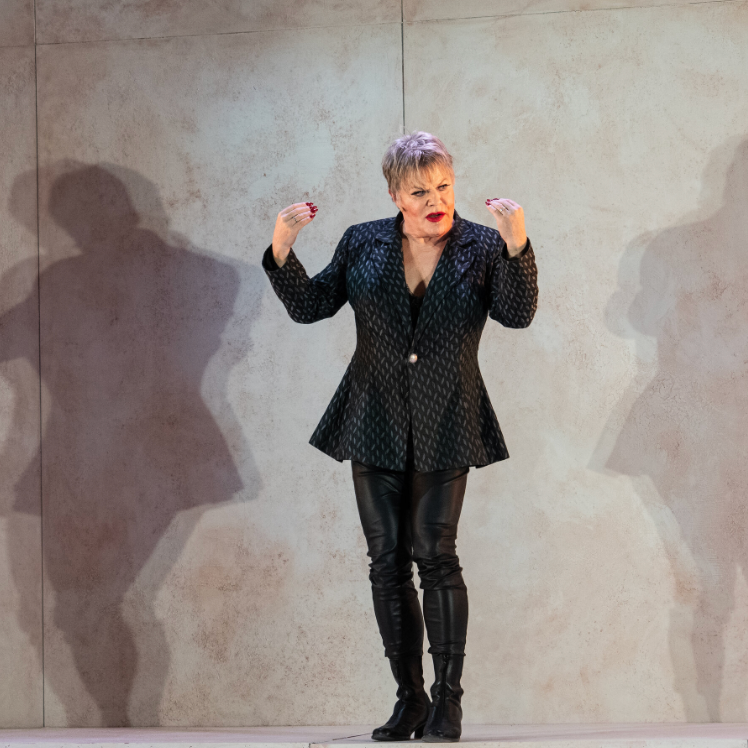
A single light illuminates a dark stage.
No set. No cast but Eddie.
Spellbinding. Riveting. Shakespeare’s words tumble from her mouth as she paces the stage, leading us through the maelstrom of madness and revenge.
It is hard to follow the plot from the edge of my seat, distracted by my own inward fear and tension. “When will Eddie forget, miss a line, break the spell, lose herself?”
I say ‘forget’, but I am certain that she is not remembering each sculpted syllable. It's deeper than that. Something automatic. A trance-like state coupled to her movements, gestures, voice and emotions.
I know that pool of light.
I spent much of my working life in theatre, beneath the same surgical light, fighting to make sense of other’s suffering. That operating light casts an island of brightness in a darkened room.
Inside it, the surgeon performs. Around it, anaesthetists, nurses and technicians follow their cues, their choreography, the specialised language and occasional urgent improvisation.
On stage, the light holds Eddie inside Hamlet.
In the operating theatre, it holds the surgeon inside the operation.
Beyond both are noise, movement, alarms, conversation and emotion.
Yet the performance continues.
Practice alone is not the key. Repetition without attention to process may simply reinforce our imperfections. Rehearsing the process, the sequence, cues, decisions, communications and responses create a reliable, memorable performance.
The surgeon has not merely practised the technical act of operating. The entire theatre team has rehearsed what normally happens, what might happen and what each person does next. Anatomy, instruments, language and familiar sequences become part of a shared process.
Eddie had not simply practised remembering the words. The entire process had been rehearsed: the breathing, the sweeping movement, a rhythm, deep emotions and sweet recovery. Words, gestures and feelings as one connected performance.
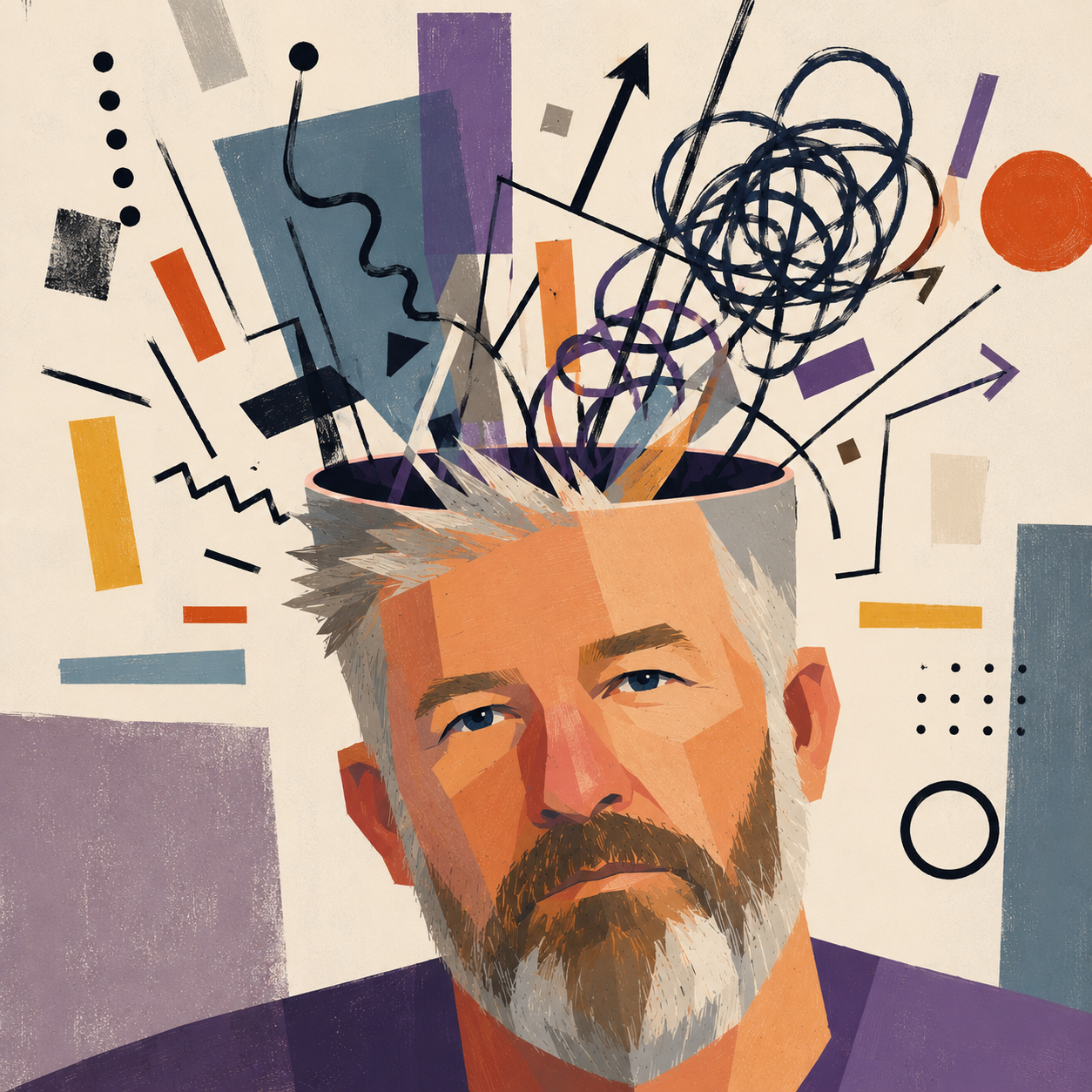
Beneath the performance lies the miraculous biology of the brain.
Automaticity, raised from a rehearsed process; not carelessness or mindless autopilot. Our brains allows the predictable parts to unfold with little conscious effort, preserving working memory for sudden bleeding, an unexpected heckle: the moment when judgement matters more than routine.
The highest performers may not succeed because they think more. They may succeed because they have automated almost everything that can be safely automated, leaving conscious capacity available for judgement and adaptation.
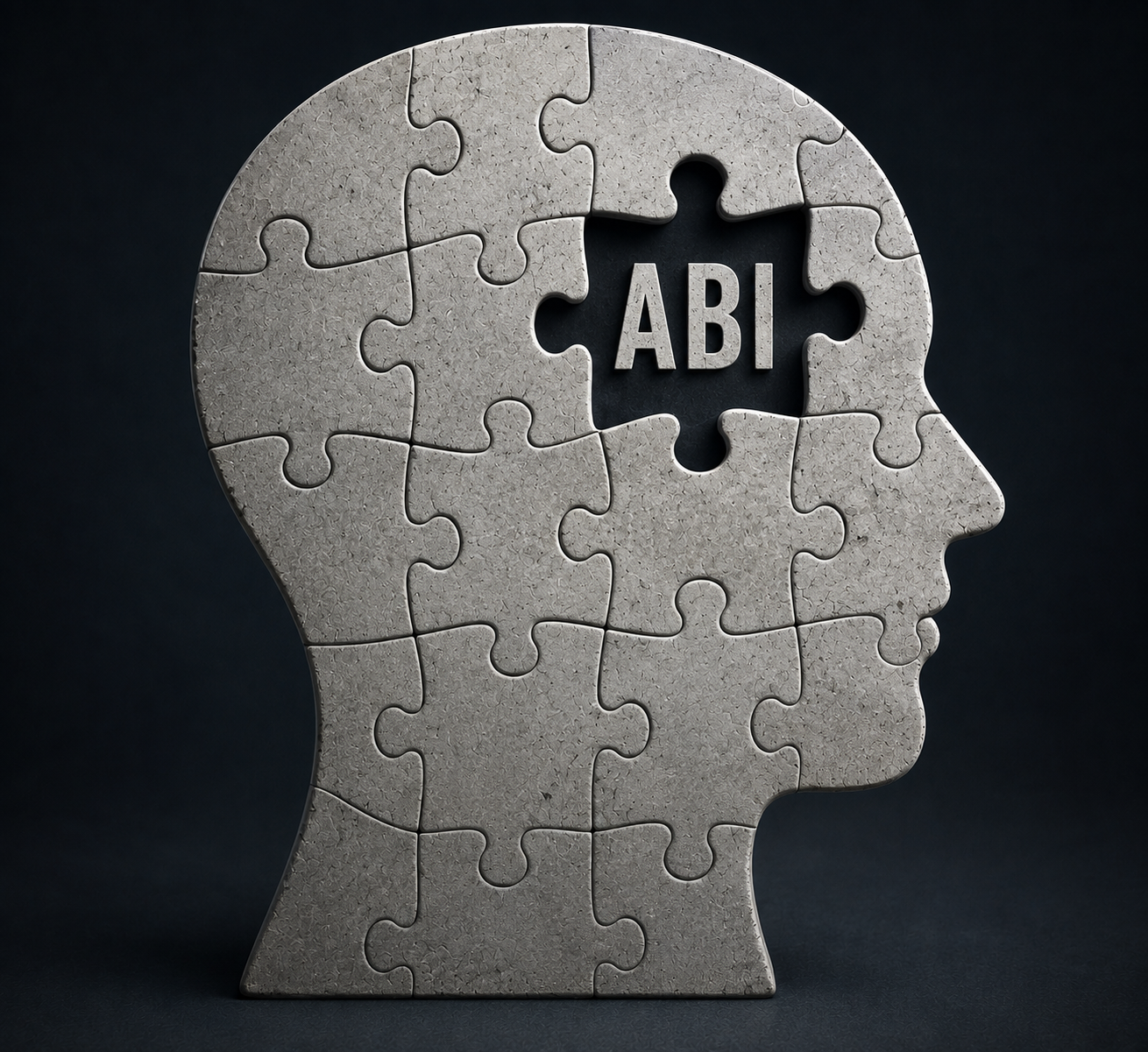
This matters after brain injury.
Conscious, effortful thinking can become slow, fragile and exhausting. Holding several things in mind, filtering information, planning unfamiliar steps and regulating emotion can consume far more energy than before. Yet familiar, rehearsed processes may remain surprisingly available. Procedural memory may hold what working memory can no longer reliably carry.
Rehabilitation should therefore do more than practise a task until it can be completed once. We should design the safest, simplest process and rehearse it consistently until it becomes dependable—even when the person is tired, emotional or distracted.
For brain injury, the performance may not be Hamlet or a surgical dissection. It may be finding the car in Aldi’s car park, locking the door when leaving home, or putting water in the kettle rather than Sauvignon Blanc.
Scripts, checklists, environmental cues and routines are not signs of dependence. They are high-performance tools, protecting conscious capacity for the things that cannot be predicted or automated.
“To be, or not to be” is Hamlet’s great conscious question: a moment of uncertainty for which no rehearsed process can provide the answer.
Izzard’s delivery of the words had become automatic, but Hamlet’s dilemma could not be automated. It required judgement.
So here's the rub.
Two theatres. Two pools of light. Two performances made possible by rehearsal.
High performance is not the absence of thought. It is preserving thought for those moments of high drama, moments that truly require the best of us.
Thank you, Eddie.