The people who keep turning up

Bruce Powell • November 20, 2026

Why the Headway Annual Awards matter

When I worked in intensive care, I knew what counted as a good day. The patient woke up. We took the breathing tube out. Eventually, they left the unit. Someone got to write “discharged” in the notes, which is a lovely, decisive word if you happen to be the person staying behind.

Then I acquired a brain injury of my own. It turns out that “discharged” can also mean you’re standing in your kitchen, holding your car keys, wondering what you came in for and whether you ought to be driving in the first place.

There’s a lot of life between those two moments. And there are a lot of people in it.

That’s why the Headway Annual Awards matter to me. They recognise what people living with brain injury have achieved, and they give some of the people who help make those achievements possible a turn in the spotlight. The carers, volunteers, professionals and organisations all have their own part in the story. So do the friends and family members whose contributions would be quite difficult to fit on a nomination form.

There’s the friend who keeps asking you out after you’ve cancelled three times. The volunteer at a local Headway group who notices you’ve gone quiet and finds a reason to come and sit beside you. The professional who gives their time for free and makes one particularly grim bit of life easier to navigate. And the person at home who has heard you say, “I’m perfectly capable of doing it myself,” often enough to know when to leave you to it and when to quietly move the car.

Living with a brain injury can make you difficult to help. I offer myself as a reasonably well-documented case. I’ve taken offence at offers of help and then, with impressive consistency, taken offence when nobody offered. The people who stuck around had their own bad days, their own work and their own lives. I was often too busy being furious about what had happened to mine to ask what it was costing them.

That’s one thing an awards ceremony can do. It can give us time to hear what the work actually involved. Who made the calls? Who gave up a Saturday? Who figured out how to get someone back to the one thing they’d been missing since the injury? Often the detail that stays with you is something the person being thanked barely remembers doing.

I’ll be presenting two awards this year. I’m looking forward to handing over the trophies, and I hope the applause reaches a little further than the stage.

Somewhere there’ll be someone making a cup of tea after a dreadful morning, trying to decide whether now is a good time to bring up the subject of the car keys.

I hope somebody thinks to make them a cup as well.


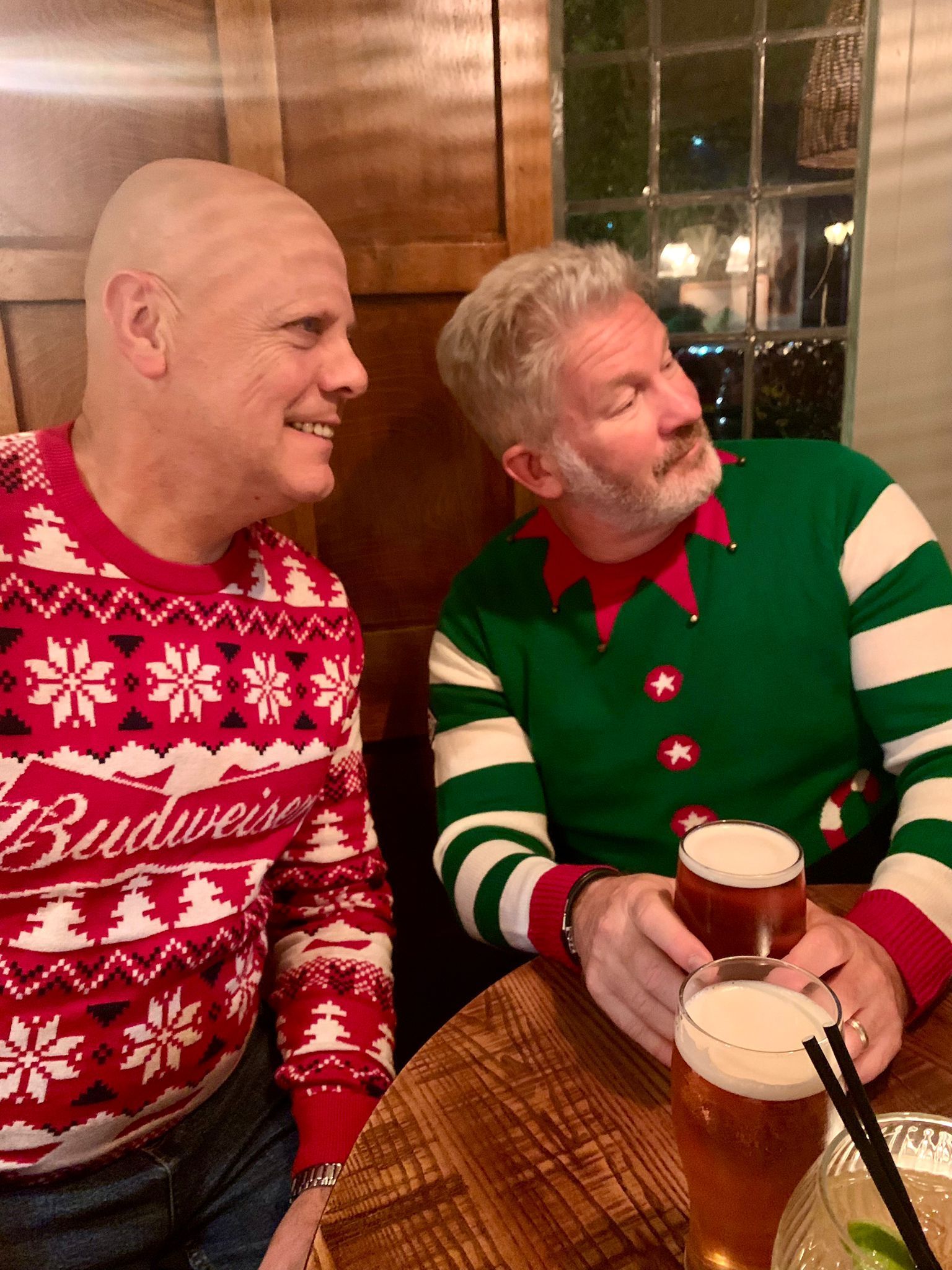
Two people in festive sweaters smiling at a table with drinks in a warmly lit restaurant
By Bruce Powell • October 6, 2026
Dr Bruce Powell explores ADHD, brain injury, diagnosis and support—and how the same traits can become our strengths or struggles in different environments.
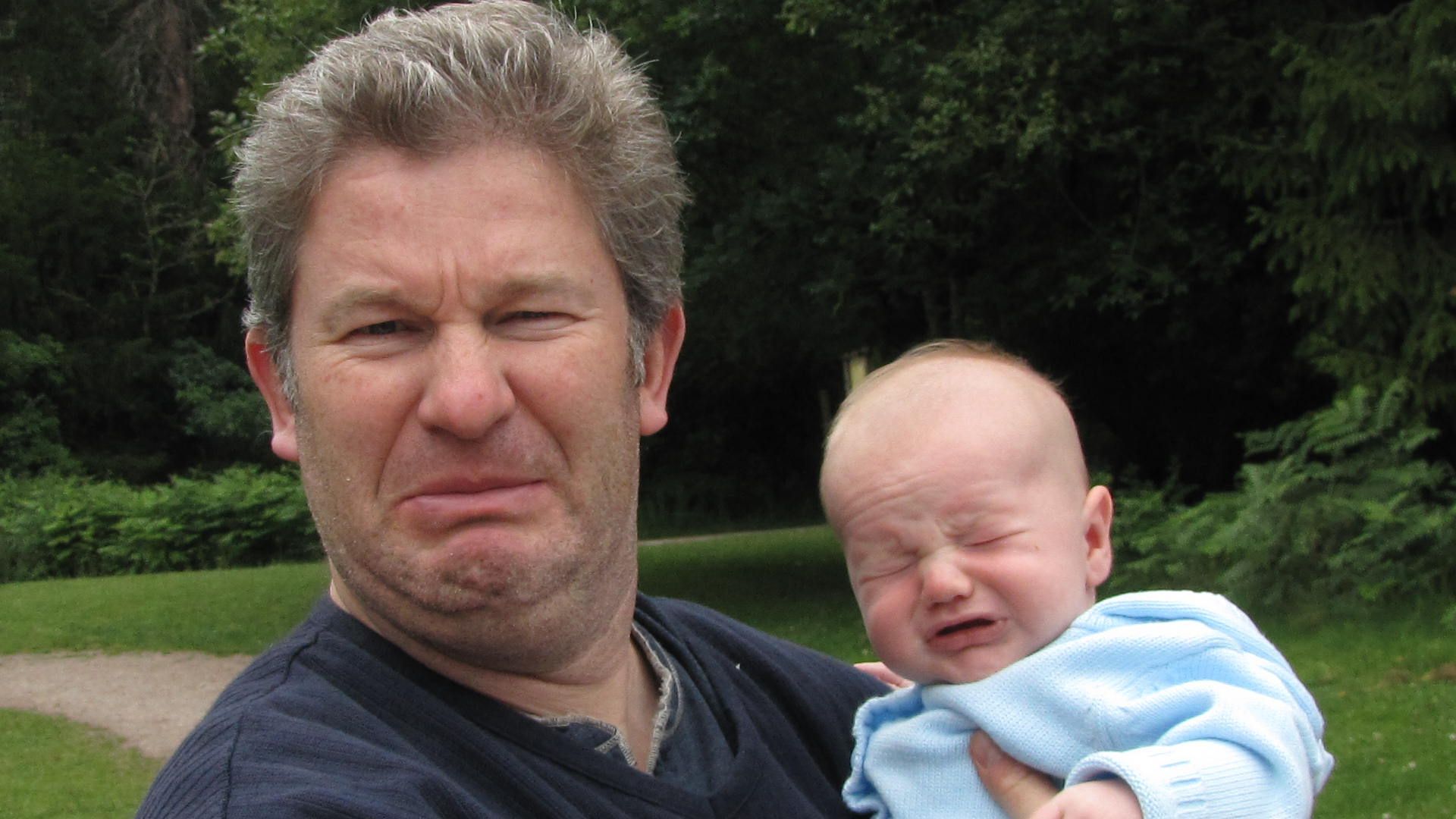
Man holding a crying baby outdoors with trees in the background
By Bruce Powell • September 30, 2026
Explore how hope can coexist with uncertainty after brain injury, from emergency care and rehabilitation to building a meaningful life after recovery.
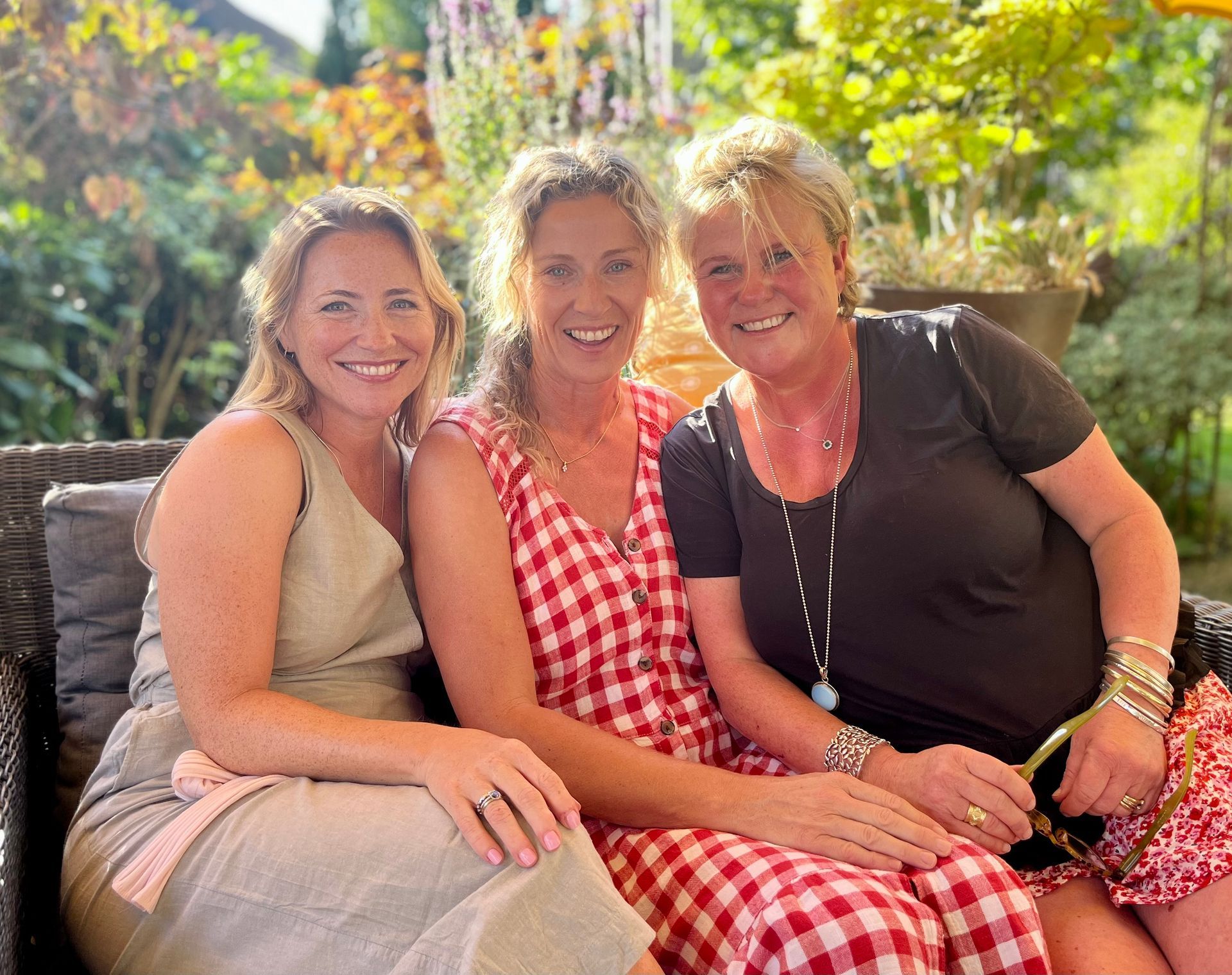
Three women sitting closely together on a couch, smiling outdoors in warm sunlight.
By Bruce Powell • August 31, 2026
After time, distance and silence, old friends reunite through stories, laughter and love—changed, imperfect and discovering what true acceptance feels like
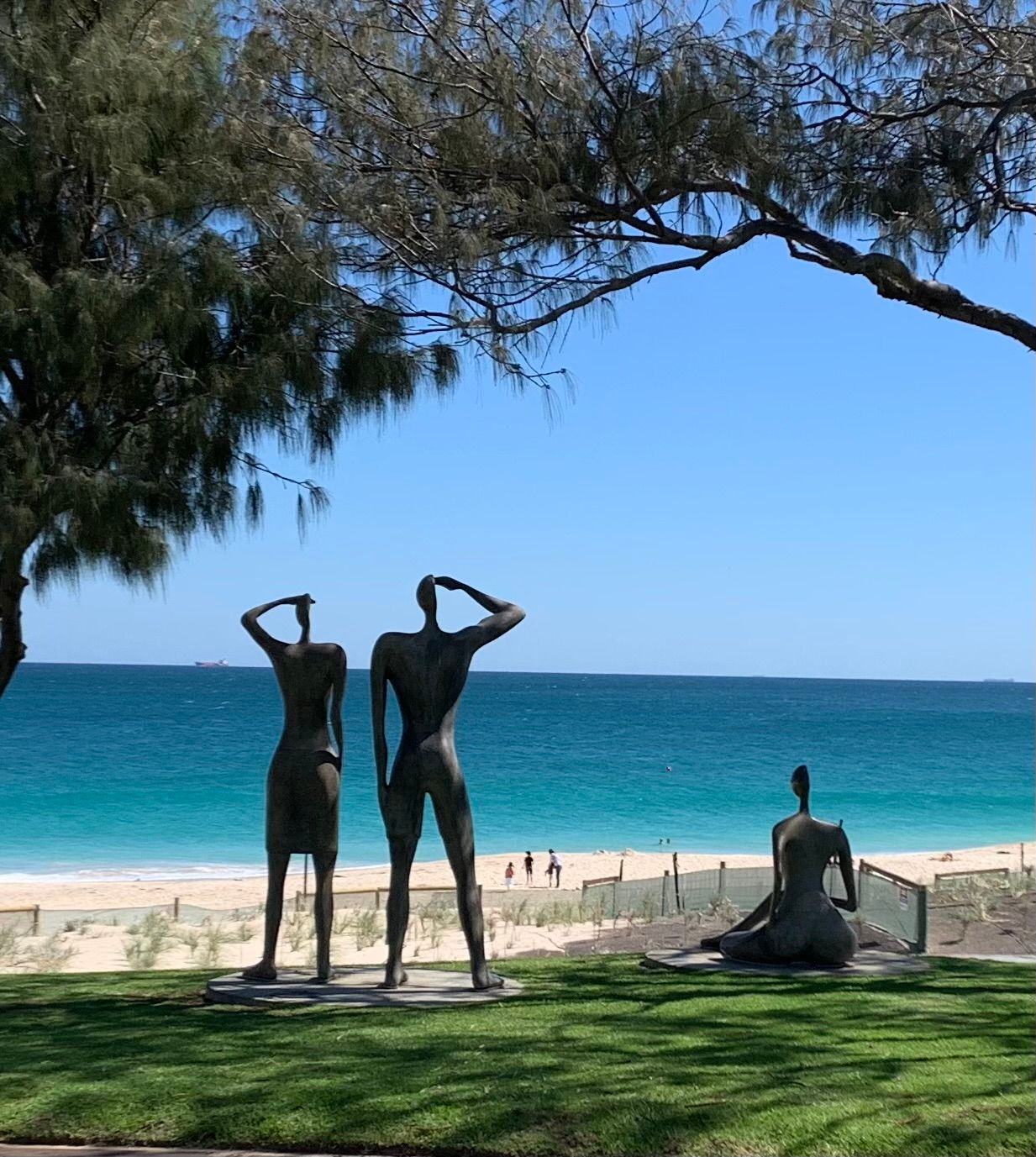
Bronze statues saluting on a grassy beach overlook turquoise water under a blue sky.
By Bruce Powell • August 18, 2026
A personal reflection on advocacy, partnership and why lasting change demands honesty, shared ownership, patience and courage through uncertainty together.
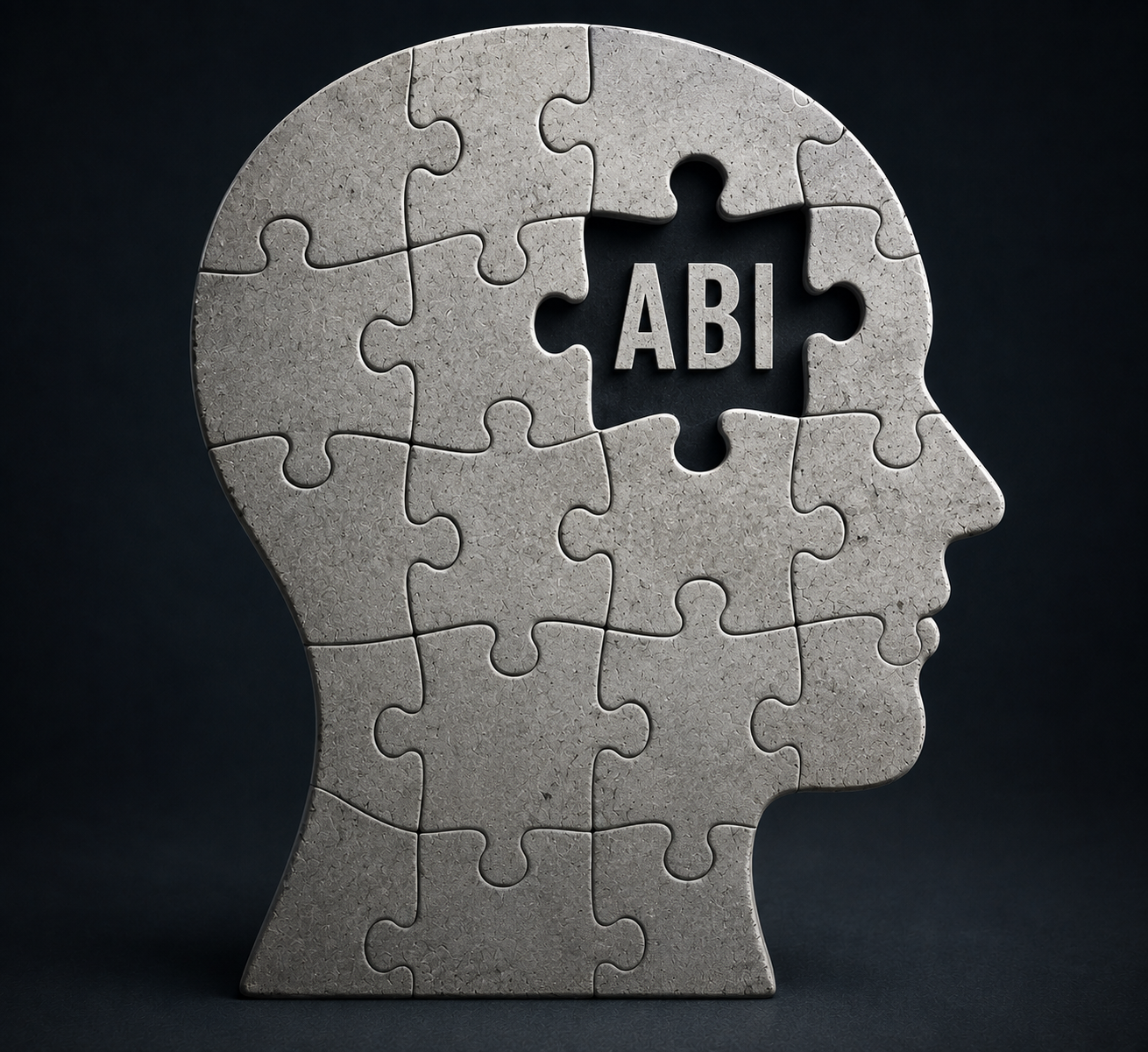
Gray puzzle-piece head silhouette with “ABI” in a missing black puzzle piece.
By Bruce Powell • August 13, 2026
Australia’s neurological blueprint overlooks acquired brain injury and TBI. Find where they are missing—and why inclusion matters for national policy.

Edinburgh Castle at sunset above a colorful outdoor concert stage with lights and crowds
By Bruce Powell • August 8, 2026
Thirty years after heckling Lee Evans, I break my vow again at Rachel Galvo’s Edinburgh show—and discover I haven’t changed much.
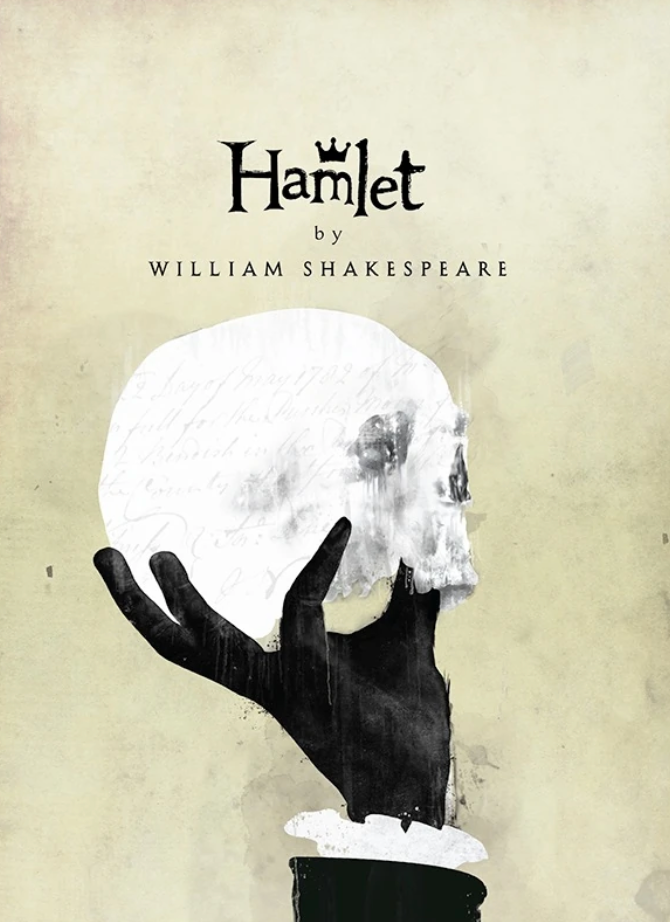
Hamlet cover with a black hand holding a white skull on a pale background
By Bruce Powell • July 30, 2026
What Hamlet and the operating theatre reveal about automaticity, high performance, rehearsal and life after brain injury.

The Lancet Global Health logo in black and magenta text on a white background
By Bruce Powell • July 13, 2026
An ICU doctor who became a brain injury survivor on why the world must finally count TBI as the chronic, lifelong condition it is.
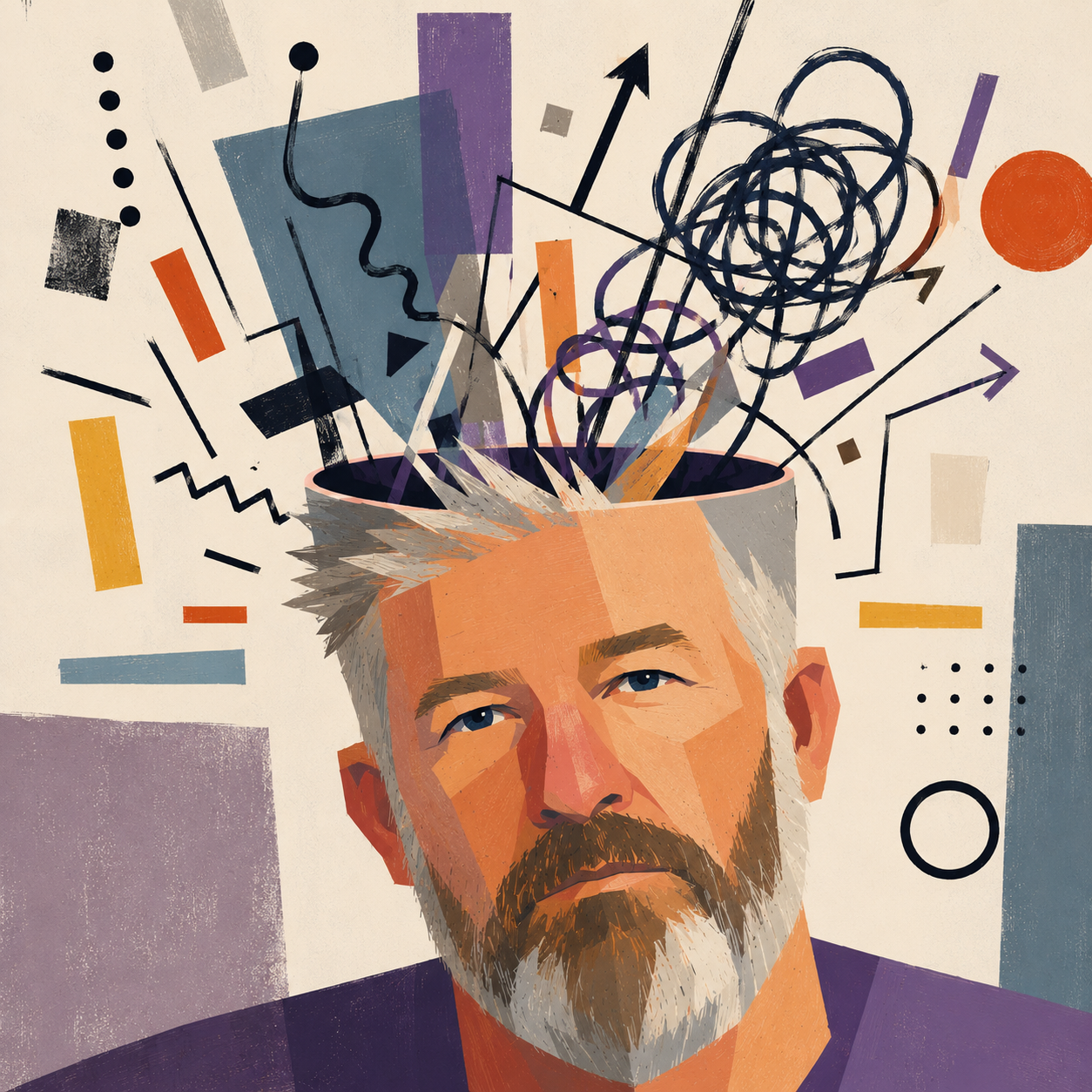
Abstract portrait of a man with gray hair and beard, surrounded by chaotic scribbles, arrows, and geometric shapes
By Bruce Powell • June 30, 2026
A traumatic brain injury exposed the ADHD that once powered my career. A raw, honest story about when a superpower turns curse
Red math book titled “The Book of Mathematics” standing on a wooden floor by a window.
By Bruce Powell • June 23, 2026
A restless boy, nuns, Christian Brothers and a mind that refused to sit still. A childhood story about intelligence, shame and difference.
Show More