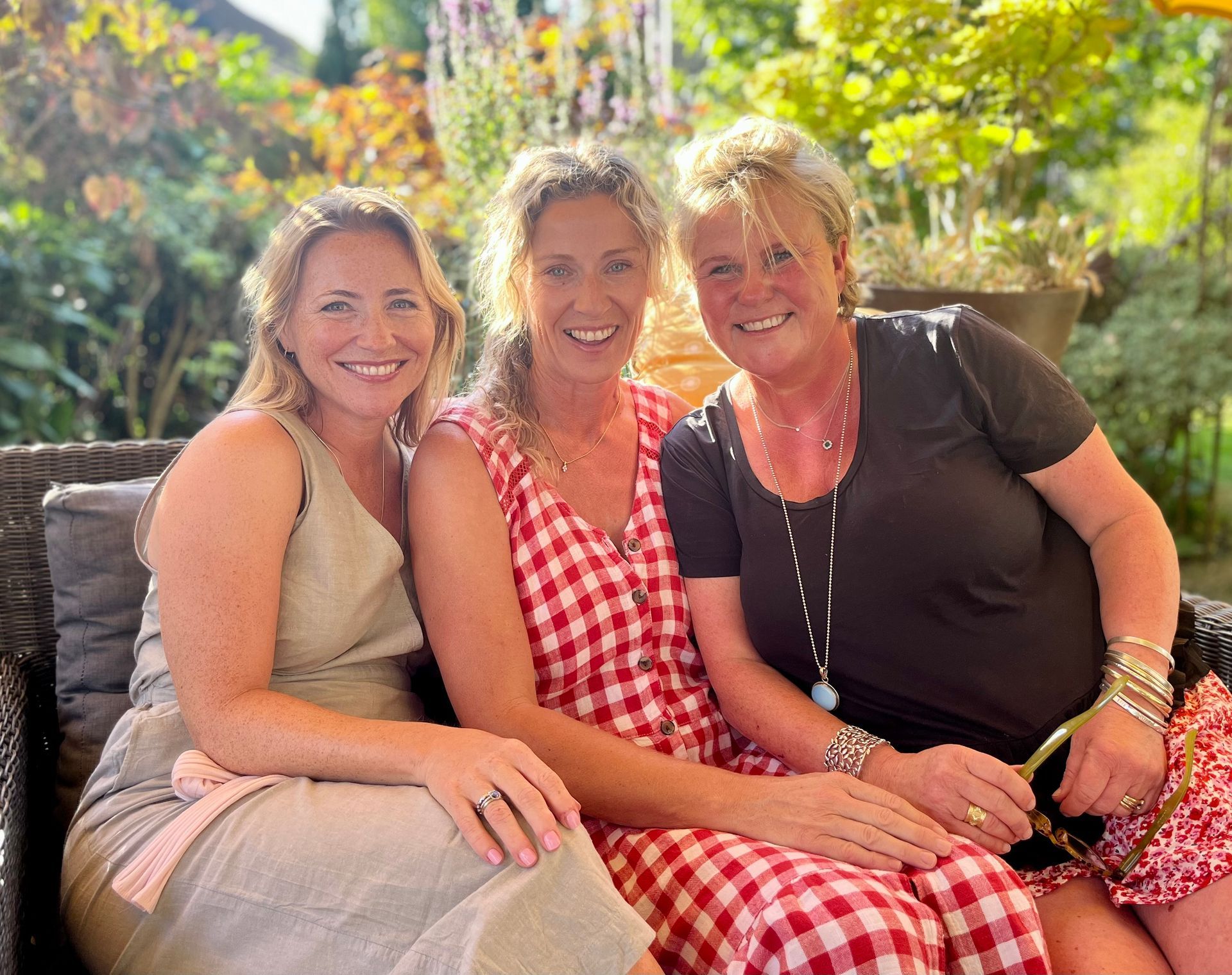
After time, distance and silence, old friends reunite through stories, laughter and love—changed, imperfect and discovering what true acceptance feels like
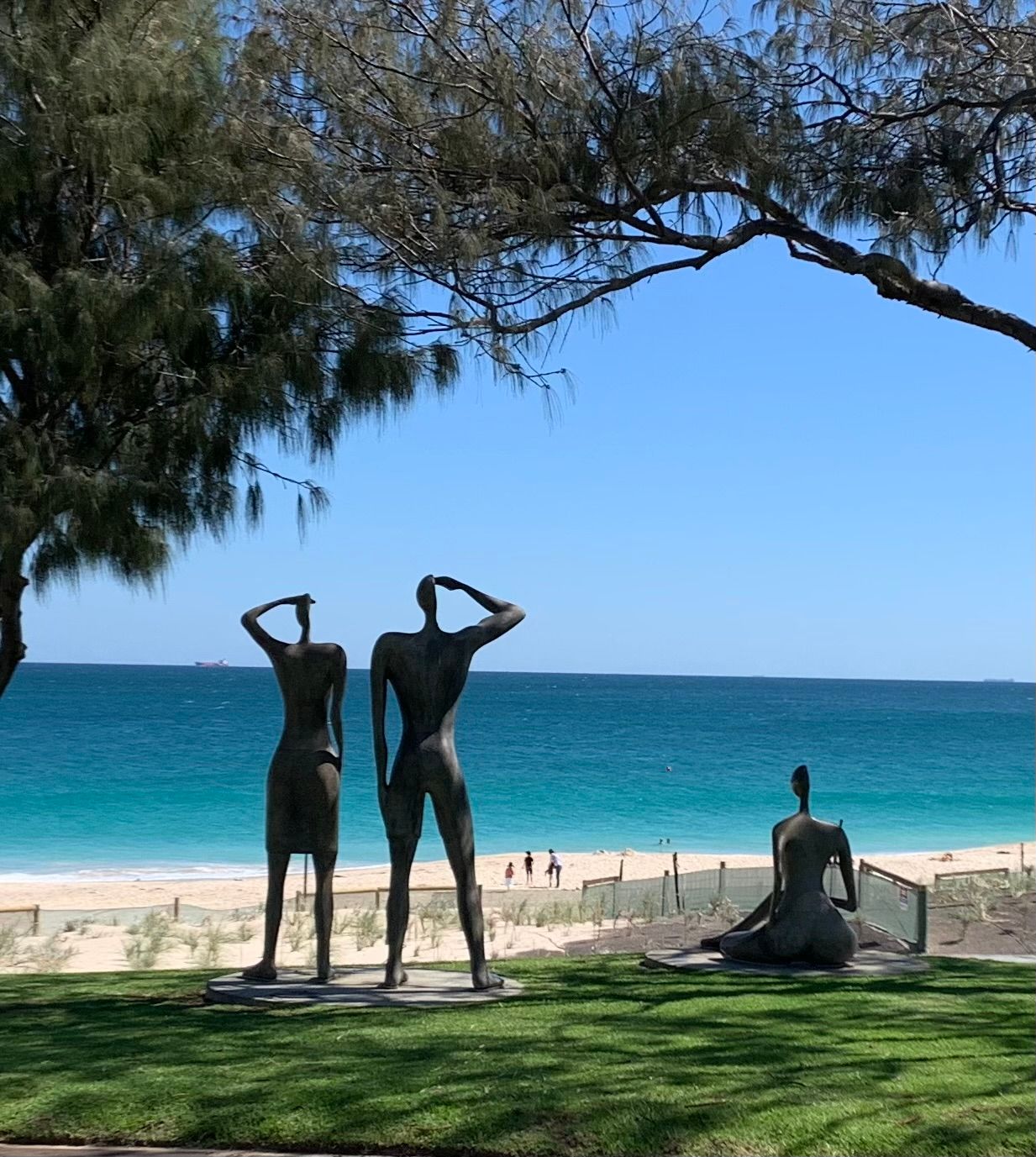
A personal reflection on advocacy, partnership and why lasting change demands honesty, shared ownership, patience and courage through uncertainty together.
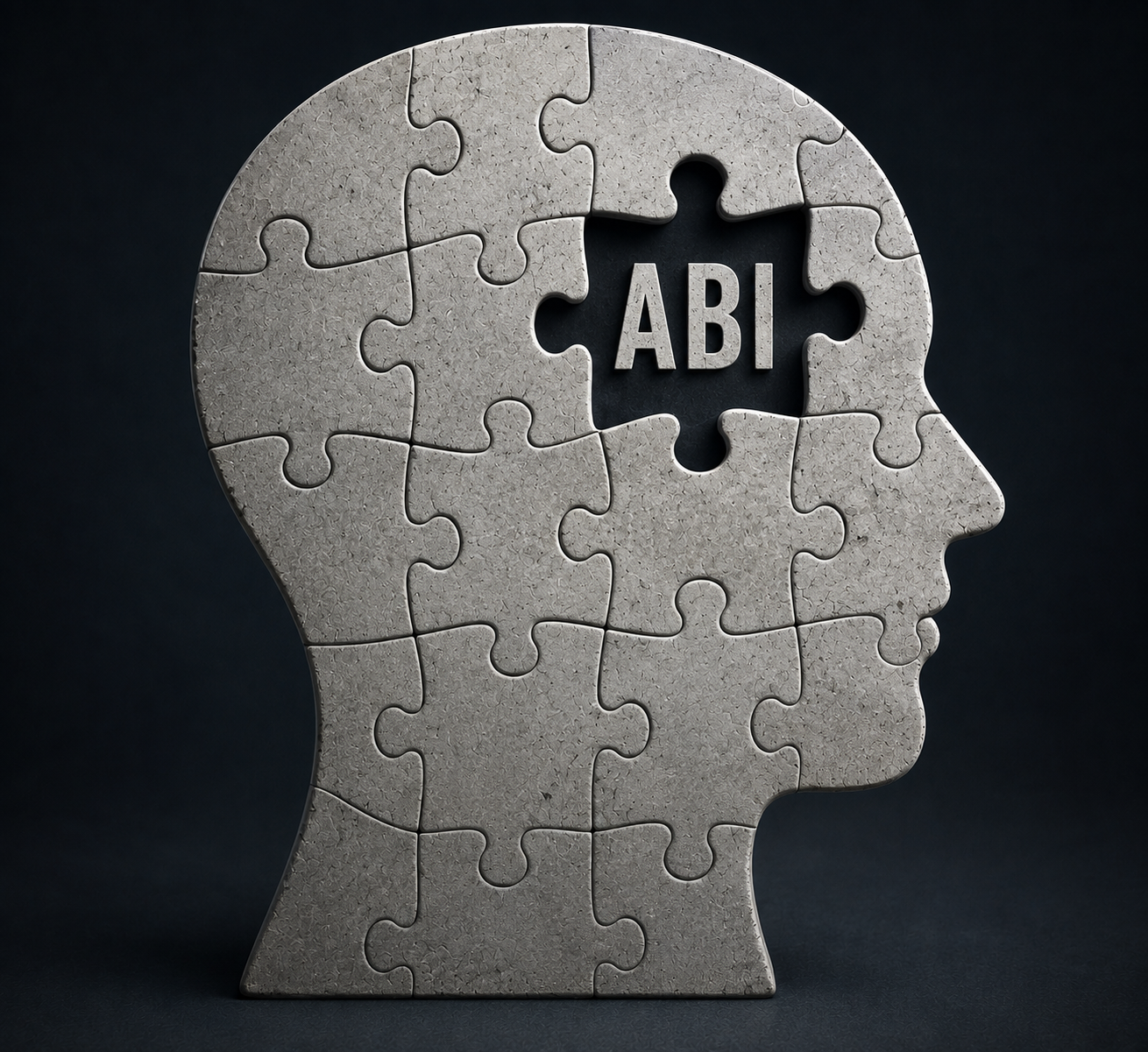
Australia’s neurological blueprint overlooks acquired brain injury and TBI. Find where they are missing—and why inclusion matters for national policy.

Thirty years after heckling Lee Evans, I break my vow again at Rachel Galvo’s Edinburgh show—and discover I haven’t changed much.
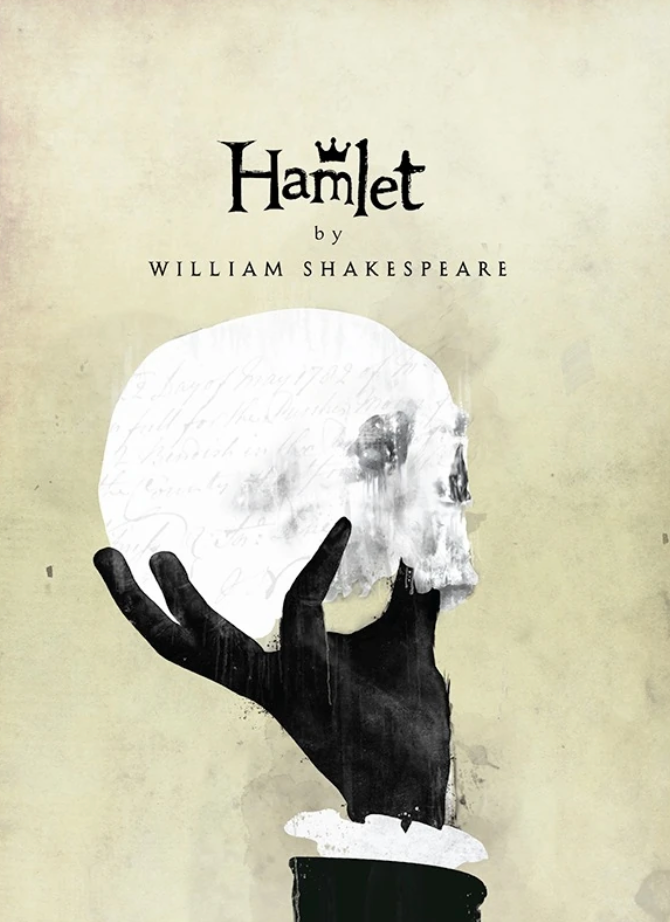
What Hamlet and the operating theatre reveal about automaticity, high performance, rehearsal and life after brain injury.

An ICU doctor who became a brain injury survivor on why the world must finally count TBI as the chronic, lifelong condition it is.
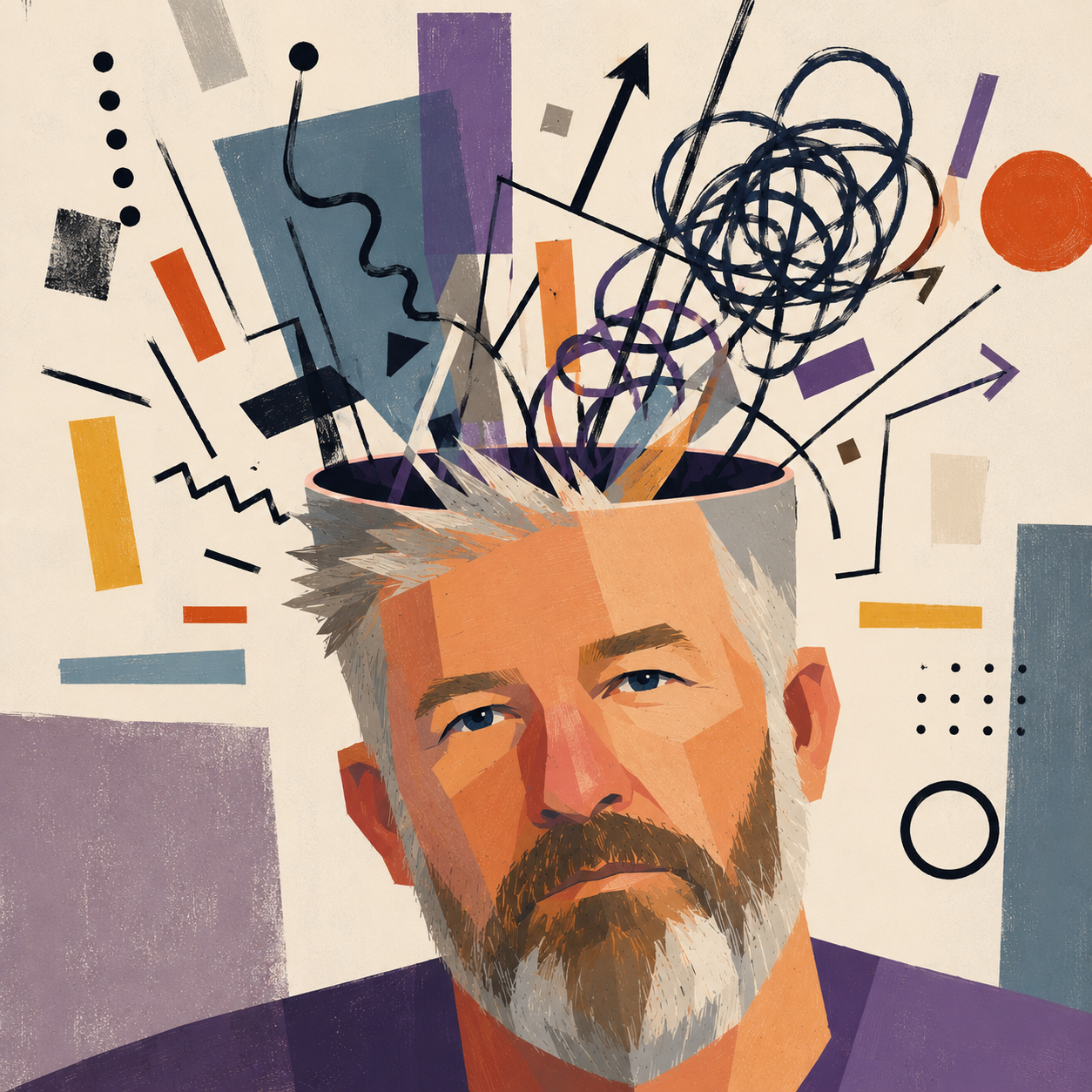
A traumatic brain injury exposed the ADHD that once powered my career. A raw, honest story about when a superpower turns curse
A restless boy, nuns, Christian Brothers and a mind that refused to sit still. A childhood story about intelligence, shame and difference.

An ICU doctor becomes the patient after a brain injury, and finds the language of burnout and trauma too thin for what's actually been lost.
Former intensive care doctor turned brain injury patient and advocate reflects on recovery, identity, rehabilitation and life after survival.