
The Kettle Rule: Why Scammers Hate Tea

Bruce Powell • March 10, 2026

The Kettle Rule

I have a simple rule when something urgent or suspicious happens.


I call it The Kettle Rule.


When someone tries to rush you, slow everything down.


Put the kettle on.


Why Brain Injury Makes Me a Target


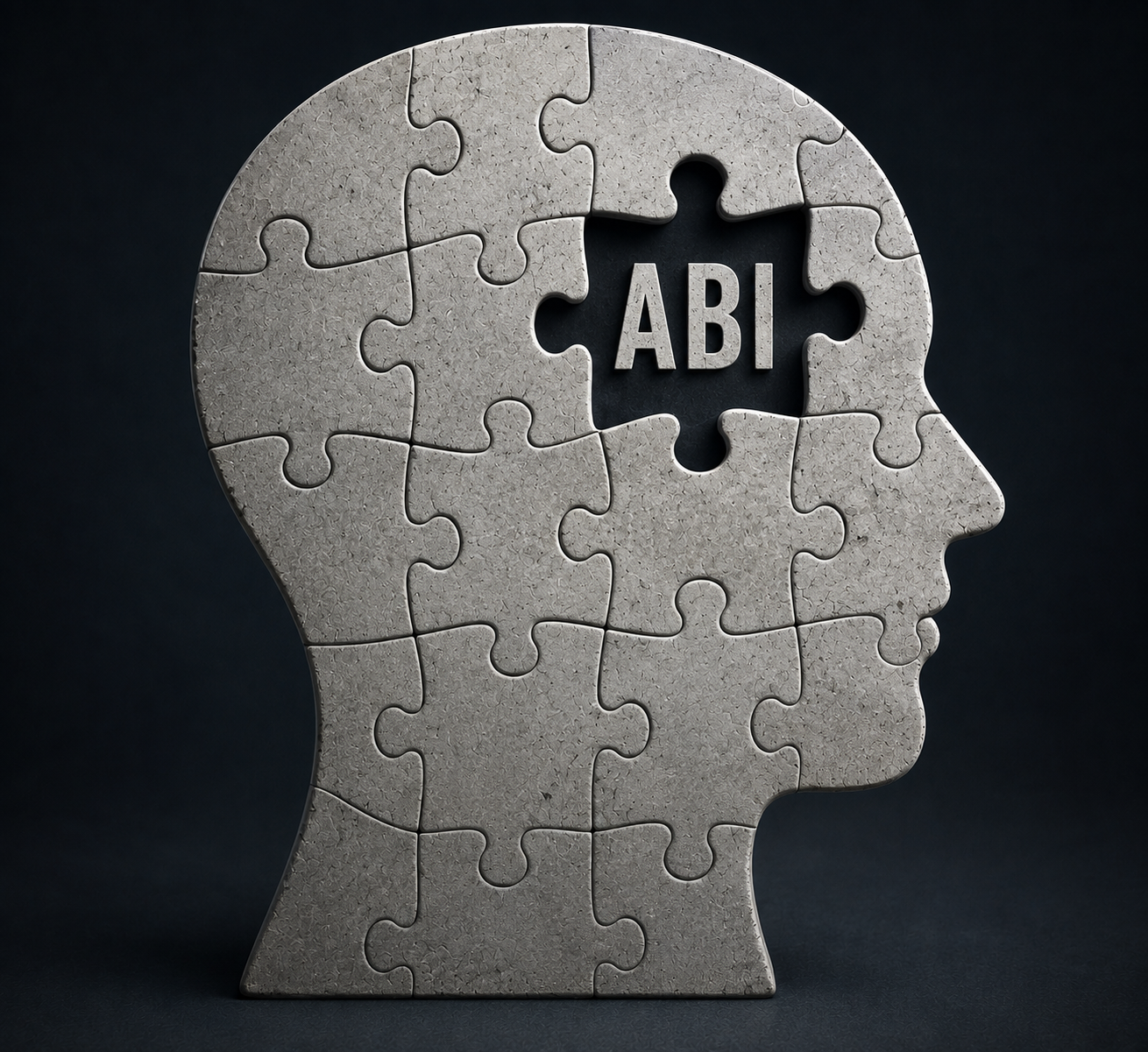
Let’s be honest. Living with a brain injury makes me the perfect target for a scam.


Reactive, desperate to avoid overload, easily fatigued, forced into binary choices.


But it’s not just me who is vulnerable to this kind of sophisticated deception.


Let’s admit something uncomfortable. We cannot eliminate scams or the criminals who create these cruel frauds. In a world designed to exploit urgency and cognitive overload, being fooled occasionally is not stupidity.


It is the cost of being human.


Talking About It Matters


The first step is to talk about it.


Share the humiliation, the anger, the depression.


Shame and isolation dissolve when spoken aloud.


Secondly, we recruit allies. Partners in the struggle.


Could Artificial Intelligence Help?


Might artificial intelligence help defend us?


Perhaps.


AI can certainly interrogate suspicious emails and messages and flag worrying patterns. But its real value may be something simpler and more human.


Opening the app forces us to pause and think.


Imagine the moment.


What was the fella on the telephone saying?

He just rang, out of the blue. Number withheld.


Grab your smartphone, laptop, iPad, whatever.


Open an AI App.


Simply doing that moves your attention away from the scam. The urgency dissipates. The moment slows. Thinking widens.


AI becomes a place to externalise the thinking. A place to cool the emotional heat and ask better questions.


In other words, it restores a little margin. A firebreak.


Other Ways to Pause


Come to think of it, there are other ways to pause.


I could walk around the garden.

Call a friend.

Or just put the kettle on.


And that is often exactly what I do.


The Phone Call


“Thank you for calling. Sounds important. I’m just going to put the kettle on and make a brew.”


“Yes but…”


“Back in ten.”


The kettle takes five minutes to boil and my caffeine-free teabags take an age to mash.


Settle down and pick up the phone.


The caller has hung up.


Of course they have.


The bastard is a scammer.


Thinking Returns


Come to think about it…


It is Sunday night.

The bank would block my account before they called me.

The caller didn’t know my name.


I’m going to take another ten minutes and drink my tea.


Then I might call my bank.

Or my friend.

Or my daughter.


I am not going to be rushed.


The kettle takes its time.


So will I.


The Kettle Rule


That is the kettle rule.


When something feels urgent, make it slow.


Put the kettle on.


If the problem is real, it will still be there when the tea is ready.


If it is a scammer, they will already be gone.


Screw AI, you got this. 


Still not convinced?


Put the kettle on and have another brew.


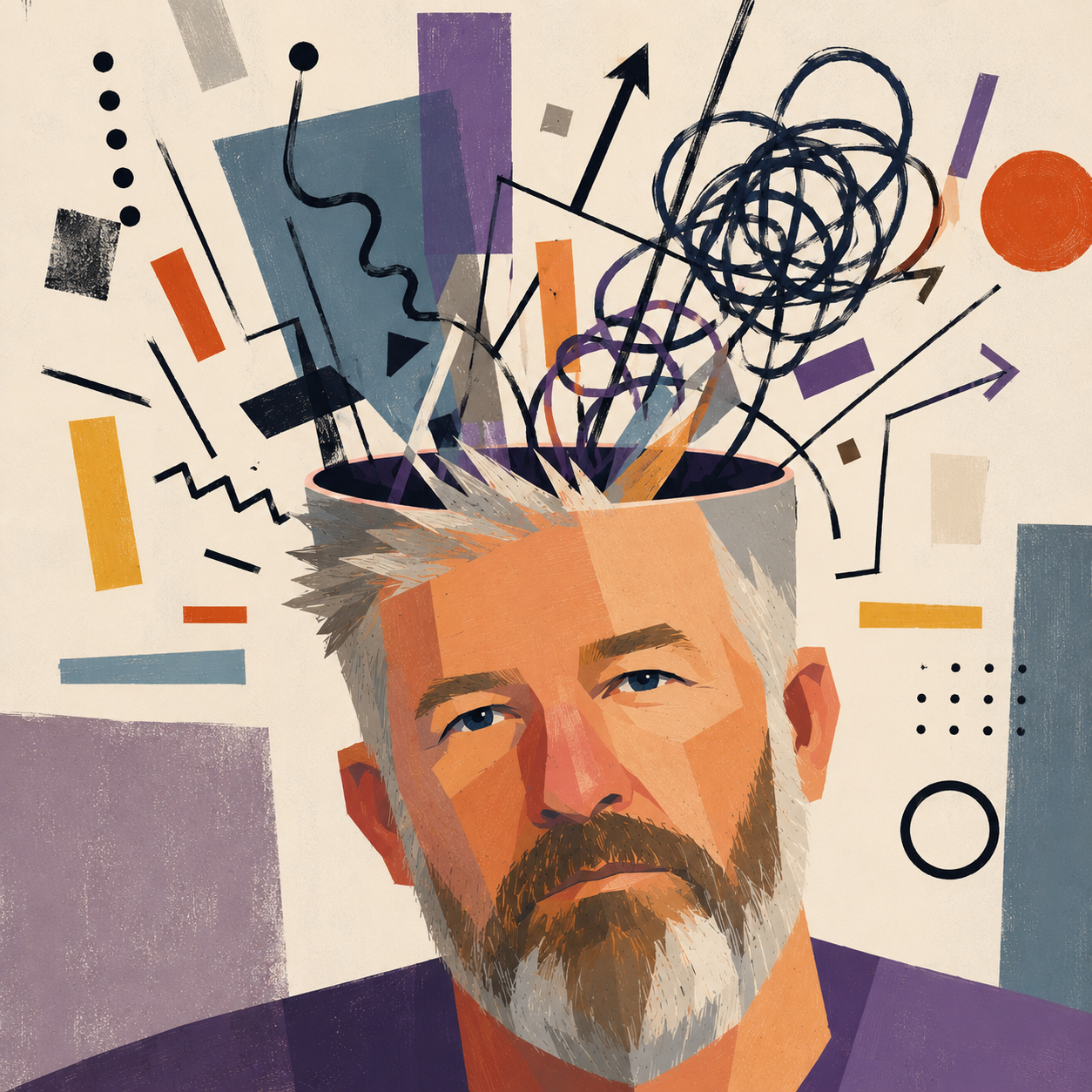
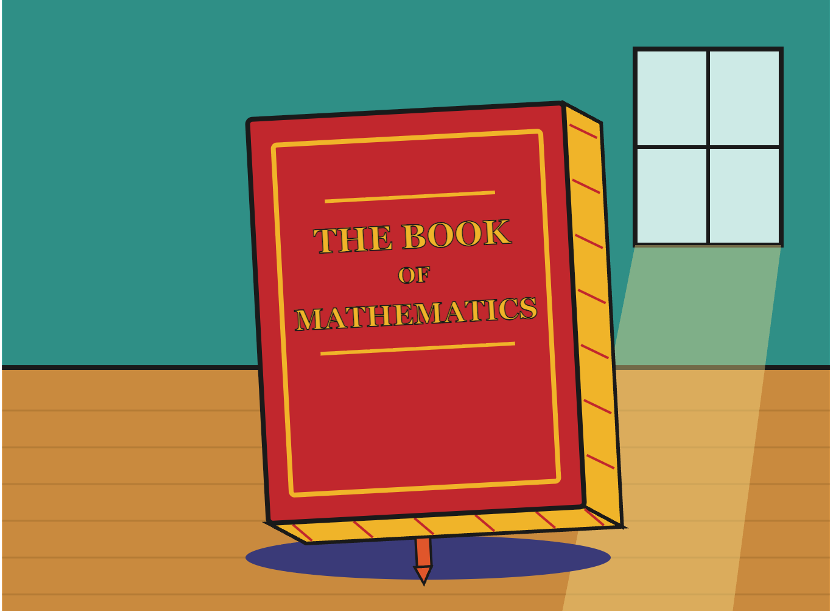
(The beautiful illustration is provided, without permission, by my wonderfully talented and patient wife.)


Man at a microphone, in a recording studio, holding a coffee and working on a laptop.
By Bruce Powell March 5, 2026
AI has industrialised deception, making scams harder to detect. As trust becomes procedural, can AI also help us defend ourselves without replacing human judgement?
Person touching cheek, arrow pointing down. Signifying 'to think'.
By Bruce Powell February 26, 2026
Sometimes the hands hold stories that the mind can not carry.
Boy  swimming in ocean, facing away, head above water, blue sky.
By Bruce Powell February 6, 2026
High performance is about managing cognitive load to make good decisions.
Wrinkled alien face with a glowing blue eye, wearing a metal headpiece.
By Bruce Powell January 20, 2026
Why everyday life after brain injury demands elite performance skills. Cognitive load, fatigue management and system design explained by Dr Bruce Powell
Split image comparing NASA cockpit and supermarket aisle to show cognitive overload in brain injury
By Bruce Powell December 15, 2025
A powerful reflection on cognitive overload, showing why brain injury patients must use high-performance strategies just to shop at Christmas.
AATPHRM conference logo
By Bruce Powell December 7, 2025
Trauma reshapes the brain and identity itself. A former critical care doctor reflects on PTSD, humour as armour, and why honesty is the first step toward recovery.
By Bruce Powell November 29, 2025
Up to 70% of WA prisoners have a brain injury yet lose Medicare, GP access and oversight. A human rights crisis affecting identity, PTSD and survival.
An unfinished path are stones
By Bruce Powell November 24, 2025
A personal story of rebuilding life after brain injury, told through the process of creating a home, rediscovering identity, and finding renewed meaning.
A person fishing in a foggy river, title
By Bruce Powell October 21, 2025
A reflection on finding peace in stillness. Sometimes the most meaningful act isn't catching fish, it's standing quietly in the water.
Dr Bruce Powell wearing forearm braces, arms crossed, standing inside.
By Bruce Powell September 2, 2025
Rehabilitation transforms lives. For every $1 invested in brain injury rehab, $92 is returned. So why is it still underfunded and undervalued?
Show More