During my recent UK visit, I found myself walking along a towpath one damp, still morning. A man stood on the bank ahead of me, holding a fishing rod over the reeds, beside the waterfowl and swans, into the dark green waters.
“Any luck yet?” I asked him.
“What do you mean?” he replied, smiling at me.
“Fish? Trout? Pike? I dunno I’m not a fisherman.”
“Neither am I.” The man laughed.
“Sorry, I’m confused. Aren’t you fishing?”
“I used to, but not anymore. My line doesn’t actually have a hook on it. I’m just catching a few moments of peace.”
The Quiet Rebellion
It’s one of the most quietly subversive things I’ve ever heard — an act of rebellion against the modern world’s obsession with results. We count everything now: steps, calories, achievements, followers, hours, output. Even rest has become competitive. We monitor our sleep to see how well we’ve relaxed.I used to live that way too.
As an intensive care doctor, I measured everything — heart rates, blood pressures, oxygen levels, lives saved, hours lost. Life was data, and success came in decimals. Then, after a cycling accident, I woke up on the other side of the hospital bed, this time as the patient.
My body was broken, my memory erased, my old self gone. Suddenly, there was nothing left to measure.
Learning to Let the River Flow
Now, I understand what that gentle fellow had been doing all along. Fishing without a hook isn’t pointless. It’s trust. It’s the radical act of allowing something to happen — or not happen. without interference.
After the crash, I couldn’t run, couldn’t work, couldn’t remember, couldn’t strive. The only thing I could do was be. For someone who’d spent a lifetime chasing goals, that felt like defeat. But over time, it became peace.
When we stop striving, the noise quietens. The river keeps flowing whether we catch a fish or not. The sky doesn’t care about our progress. The act of standing there, fully present, without agenda, becomes enough.
Writing
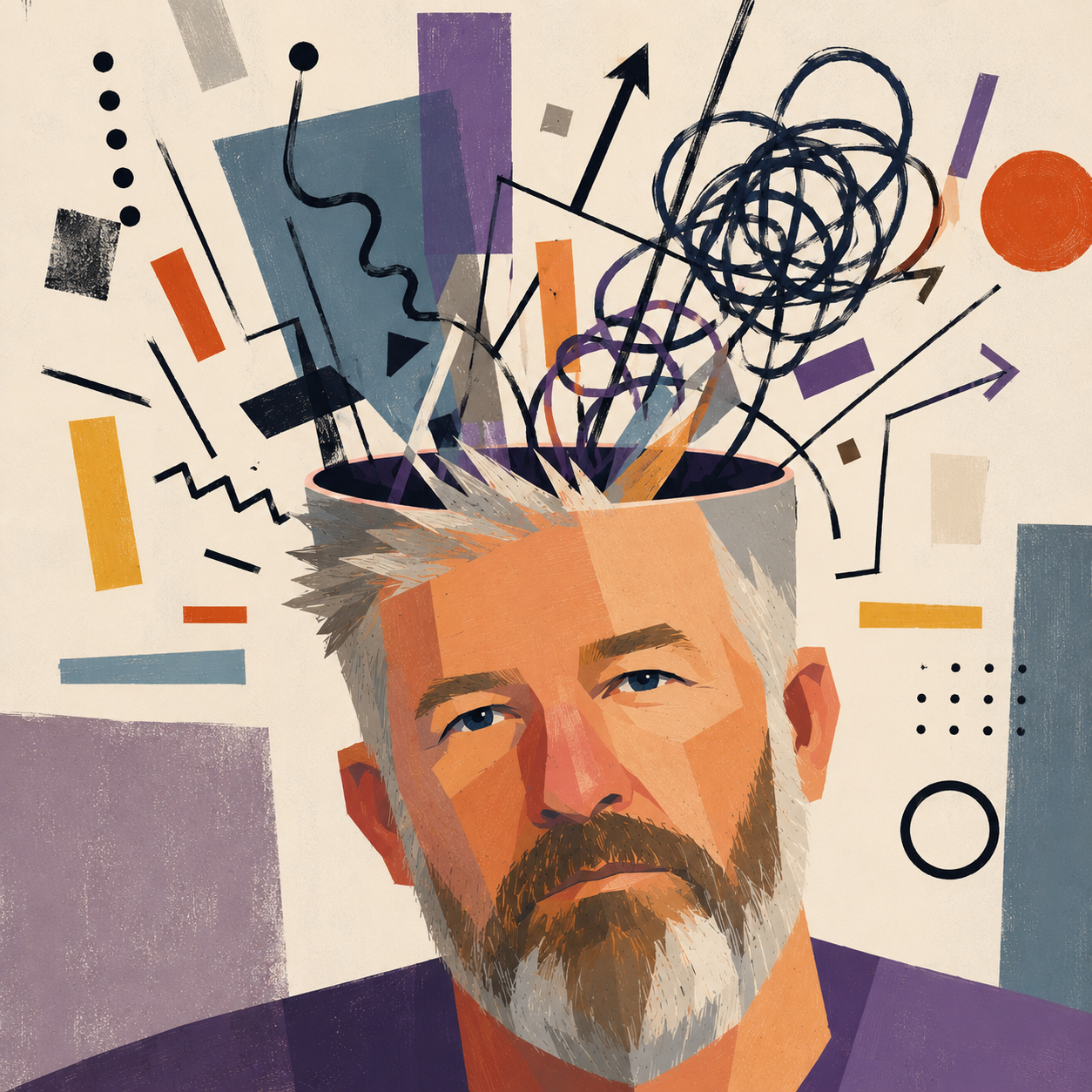
That’s what writing became for me. Not a job, not therapy, not a way back — just a way of standing in the river of thought and watching what floats past.
Some days, I catch something beautiful. Other days, nothing. But the point isn’t the catch. The point is the standing, the breathing, and the being.
We’ve been taught that meaning comes from doing, from building, from achieving. But meaning also hides in stillness — in walking without a destination, cooking without photographing the result, reading half a terrible book and putting it down without guilt.
These are small rebellions against a world that measures worth by productivity.
Catching Breath, Not Fish
That fisherman wasn’t talking about mindfulness. He didn’t quote philosophers or post pictures of sunsets with hashtags. He just stood there, watching the river.
He’s not catching fish, he’s catching his breath.And maybe that’s what peace looks like: not the absence of noise, but the absence of need.
“Wouldn’t you like to catch something?” I asked.
“Not at all,” he said. “A bite would spoil this moment, the only time that feels real.”
That line stayed with me. Because after my accident, the world felt unreal, a blur of effort and recovery and trying to become “me” again. Peace came only when I stopped trying. When I allowed myself to exist without a hook in the water.
“I’m sorry to have disturbed you.”
“Not at all,” the fisherman replied. “Where are you walking to?”
“Nowhere really, just walking.”
"Maybe you are further along your journey than you realise?"
Stand in the River
Sometimes the most meaningful thing you can do is nothing. Stand still. Watch the current. Listen to the water’s peace. Let the river run past you.
The world doesn’t need more people catching fish. It needs more people learning how to stand quietly in the water.
Fishing without a hook.