Shift Happens

August 21, 2025

In this new series of podcasts, Bruce chats to some of the interesting, funny and resilient people he has met since his accident 6 years ago.


Medicine can be a very limiting and intensely personal career. Bruce now has the opportunity to listen and learn from other’s experiences.

Episode 1:

In this first episode, we hear from Bruce himself.

Episode 2:

In this episode of Shift Happens, we meet Cam, a remarkably brave and generous man.

Episode 3:

Alex is one of Fremantle Dockers doctors, looking after the well-being and fitness of the players both on and off the pitch. Engaging and modest, Alex shares some of his journey and his leadership skills.

Episode 4:

Will is a highly regarded senior arts, travel and music journalist as well as a warm generous fellow. We chat about music, writing and a host of other topics.

Episode 2:

In this episode of Shift Happens, we meet Cam, a remarkably brave and generous man.

Episode 3:

Alex is one of Fremantle Dockers doctors, looking after the well-being and fitness of the players both on and off the pitch. Engaging and modest, Alex shares some of his journey and his leadership skills.

Episode 4:

Will Yeoman joins Bruce to discuss creativity, art, journalism and quantum physics in a wide-ranging and engaging conversation with one of Western Australia’s most respected journalist and presenter.

Episode 5:

Geoff chats about his long career at the ABC and his new book. Insightful, funny and thought-provoking conversation.

Episode 6:

In this episode, Bruce is joined by Christie, an AI expert who breaks down what artificial intelligence really means for our lives today – and tomorrow.

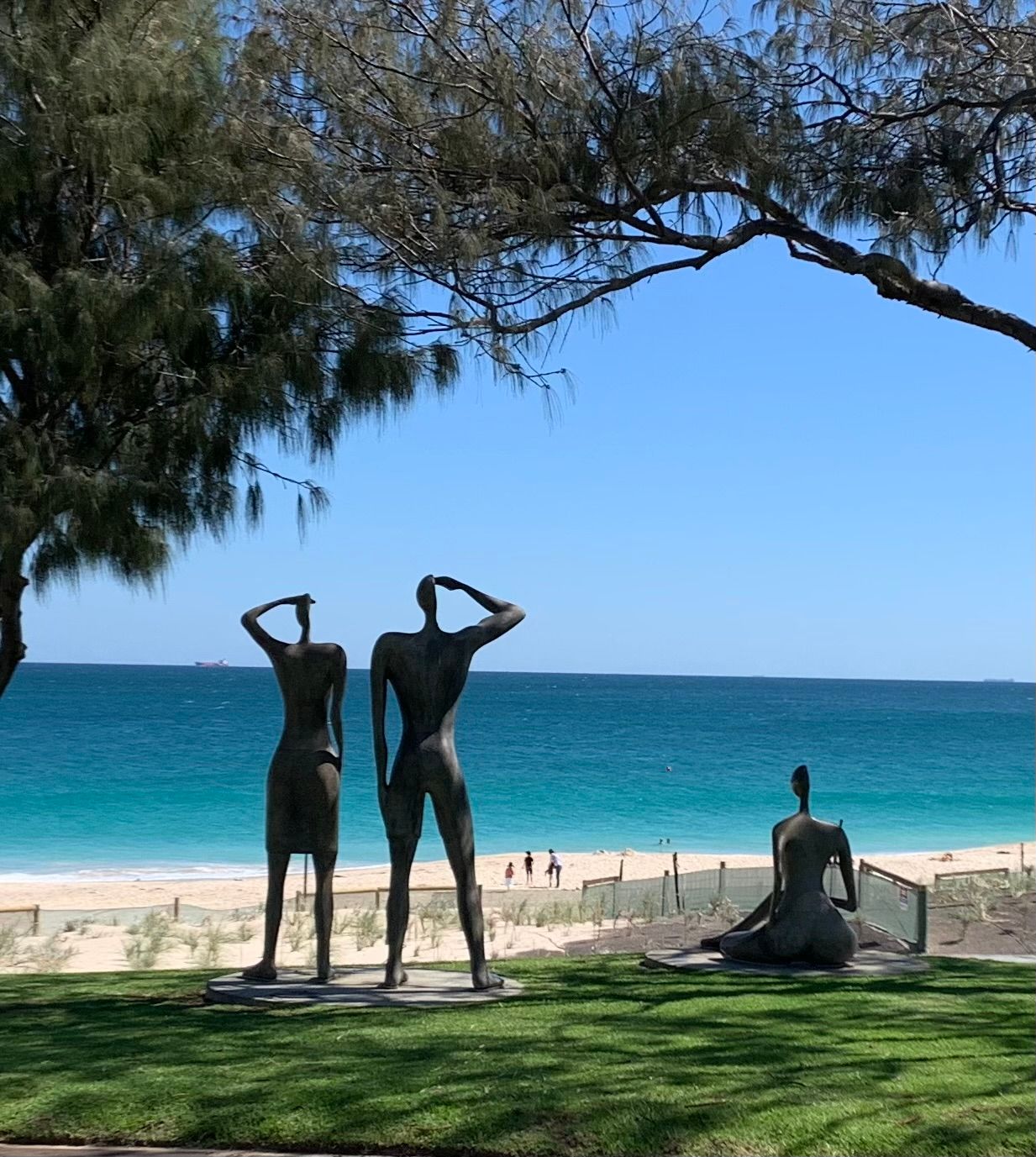
Sunset over a sandy beach with silhouettes of people near the waterline
By Bruce Powell June 16, 2026
An ICU doctor becomes the patient after a brain injury, and finds the language of burnout and trauma too thin for what's actually been lost.
Close-up of a bearded man in a purple shirt outdoors with tall grass and blue sky behind him
By Bruce Powell June 2, 2026
Brain injury rehabilitation risks mistaking consensus for evidence. A call for better data, broader thinking and intellectual humility.
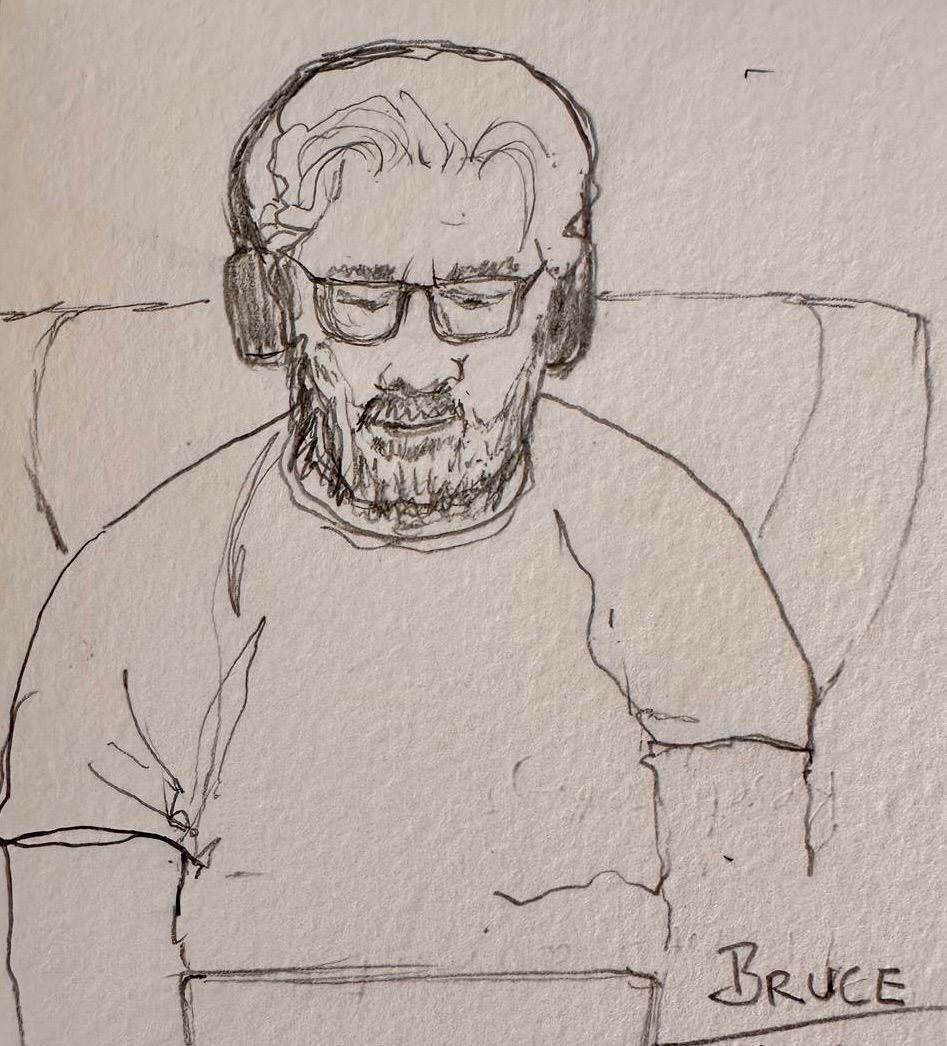
Sketch of a man wearing headphones and glasses, seated and labeled “Bruce”
By Bruce Powell May 26, 2026
Former intensive care doctor turned brain injury patient and advocate reflects on recovery, identity, rehabilitation and life after survival.
Headway logo with a face in hands and the text “the brain injury association”
By Bruce Powell May 19, 2026
A reflection on caring, exhaustion and survival, and how writing, poetry and creativity offer carers a quiet place to put things down.
Waterfront city skyline across a calm blue bay under a clear sky, with a railing in the foreground
By Bruce Powell May 13, 2026
A near-fatal crash, a stranger by the river, and the uneasy recognition that sometimes survival depends on someone stopping to ask if you’re OK.
Fluffy brown dog with a dark face sitting outdoors on green grass, looking left
By Bruce Powell May 12, 2026
A brain injury survivor reflects on friendship, identity and uncertainty after trauma, where survival can feel lonelier than loss.
Red question marks blocking a blue arrow path between two rows of directional buttons
By Bruce Powell May 6, 2026
Experience teaches doctors how to stay calm when everything feels chaotic. High performance is often just structured thinking under pressure.
Hospital room with two beds and beige privacy curtains, white walls, and bright overhead lighting
By Bruce Powell May 5, 2026
A patient who can’t speak communicates perfectly. A reminder that listening is often the skill clinicians misunderstand, even when words are absent.
Selfie of a man with light curly hair and a white beard, making a playful face indoors.
By Bruce Powell May 5, 2026
Insight promises clarity, but it often destabilises identity. What happens when you see too much, too late, and can’t return to who you were.
Smiling person soaking in a bathtub with a white foam beard and wet spiky hair
By Bruce Powell April 27, 2026
Rethinking “bad behaviour” in brain injury: less about intent, more about control, shame, and the gap between clinical labels and lived reality.
Show More